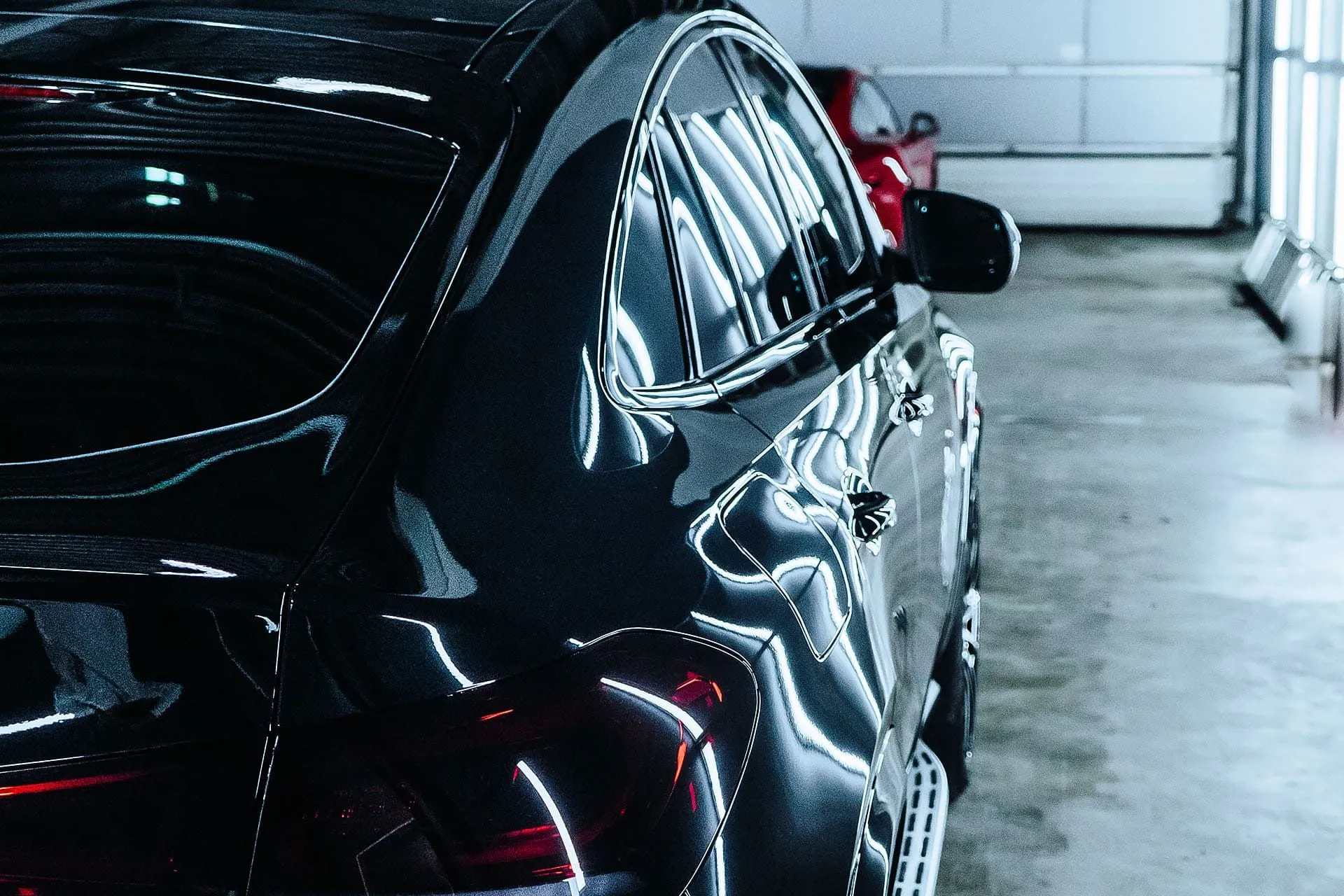
Window Tint: A Smart Choice for High-Mileage Drivers Seeking Comfort and Longevity
If you spend a lot of time behind the wheel, especially clocking big miles on your car, you know how wearing long drives can be. The sun beating through your windows adds heat and glare that makes every trip less comfortable, and it quietly damages your vehicle's interior over time. Window tinting isn't just an upgrade for looks; it's a practical way to keep your ride cooler, protect your skin, and extend your car's life. In this article, we'll break down why tinted windows are a smart choice for anyone who puts plenty of miles on their vehicle and wants to stay comfortable and save money along the way.
Why Window Tinting is Essential for High-Mileage Vehicles
High-mileage cars often show the signs of years on the road, especially inside their cabins. Untinted windows gradually deteriorate due to the relentless sun, leading to cracks in dashboards, fading in seats, and irreversible damage in upholstery. Window tinting acts as a protective shield, significantly slowing down these effects by blocking up to 99% of harmful UV rays. This isn't just about keeping your interior looking fresh; it's about safeguarding your investment and comfort for the road ahead. Beyond aesthetics, the heat reduction window tint provides a dramatic difference in daily driving comfort. On a sunny day, an untinted car can reach interior temperatures soaring above 140 degrees Fahrenheit, turning it into an oven before you even get behind the wheel. Tinting can lower this temperature by as much as 50 degrees, creating a cooler environment that reduces the dependence on air conditioning. Since AC systems draw power directly from the engine, cutting back on AC use means less fuel consumption, which translates into real savings over time, especially valuable for vehicles with higher mileage that may already be more sensitive to engine strain.
Additionally, reducing solar heat isn't just about comfort or fuel economy; it preserves critical interior components. Prolonged exposure to intense heat and sun leads to fading fabrics, brittle plastics, and cracked leather surfaces. High-mileage vehicles are particularly vulnerable to these issues given their longer exposure durations. A well-applied ceramic tint film not only blocks UV rays but also resists fading and discoloration itself, meaning your car's interior stays intact longer without frequent repairs or replacements.
Reducing Heat and Glare for Safer Driving
Excessive heat inside a vehicle can turn even a short trip into an uncomfortable ordeal. This is especially true for high-mileage drivers who spend hours behind the wheel and need to maintain focus without distractions like sweating or overheating. Window tinting tackles this problem head-on by acting as a barrier against solar radiation. Specialized films, particularly ceramic tints, use microscopic particles to reflect and absorb infrared rays responsible for heating the cabin. On a blazing summer day, these tints can lower your car's internal temperature significantly, which means your vehicle won't become an oven no matter how long you park under the sun.
Driving safety also hinges on visibility and eye comfort. Driving into the sun or facing bright headlights at night creates intense glare that can momentarily blind or fatigue your eyes. This glare isn't just annoying; it's a significant safety hazard, causing delayed reactions or missed road signs. Window tints act much like polarized sunglasses for your vehicle windows, selectively filtering out harsh light while preserving clear vision outside. High-quality films can reduce glare substantially, alleviating eye strain associated with prolonged exposure to bright reflections or direct sunlight. This capability is especially crucial for drivers who log extensive miles daily, whether commuting through congested urban landscapes packed with reflective glass surfaces or cruising highways when the sunset glares off other vehicles' windshields. By mitigating glare, tints help keep you alert and improve your ability to spot obstacles, pedestrians, and traffic signals with less effort and distraction. For optimal results, choosing window films with a balanced Visible Light Transmission rating around 35% strikes a practical balance between blocking excessive brightness and maintaining sufficient visibility in diverse lighting conditions.
Sun Protection and UV Safety
The harsh truth about sunlight through car windows is that while glass does block some UV radiation, it doesn't offer enough protection to safeguard your skin during long drives. Window tint films act as an effective barrier against ultraviolet radiation. Over time, exposure to UV rays can cause not only premature skin aging but also increase the dangerous risk of skin cancer, a silent threat lurking even inside your vehicle. Standard car windows typically block roughly 50% of UV-A rays, the wavelength responsible for deep skin damage. This means that despite sitting behind glass, you're still receiving significant exposure every time you drive. Window tinting elevates this protection dramatically, blocking up to 99% of UV radiation depending on the film type used. This drastic reduction translates directly into less skin damage and less fading or cracking of your car's interior materials.
Professional drivers who spend significant time on the road can experience higher rates of sun-related skin issues on the side facing the window, demonstrating how cumulative UV exposure inside vehicles poses a real health risk. Without proper UV protection, dashboards crack prematurely, seats fade unevenly, and trim discolors. Window films help preserve your car's resale value by slowing down this degradation process, offering a dual benefit of safety and aesthetics. Modern window films contain layers of microscopic ceramic or metallic particles designed to absorb and reflect specific wavelengths of light without significantly reducing visibility. This scientific filtering cuts down both heat and hazardous rays while keeping your view clear and natural-looking. When selecting window tint film for UV protection, prioritizing high-quality ceramic or carbon-based films pays off through superior temperature control, long-lasting durability without fading or bubbling, and no interference with GPS or cell signals.
Enhanced Privacy and Security
When you're behind the wheel for hours or parking in busy urban areas, privacy becomes more than just a convenience; it's a necessity. Window tinting significantly reduces the visibility in your vehicle's interior from the outside, creating a subtle but effective barrier against prying eyes. This is especially valuable for high-mileage drivers who often leave personal items like laptops, tools, or valuable paperwork in their cars. With tinted windows, these belongings are less exposed to potential thieves, cutting down on the temptation for break-ins.
The effectiveness of window tint in protecting your privacy depends on Visible Light Transmission, which refers to how much light passes through the film. Films with lower VLT percentages offer greater obscurity without compromising driver visibility from inside. It's a delicate balance regulated by local laws to ensure safety while maximizing privacy. Window tint films also act as an additional safety shield during accidents. One notable advantage is their ability to hold shattered glass together if a window breaks, drastically lowering the risk of injury caused by flying shards. This protective effect contributes not just to occupant safety but also helps deter opportunistic smash-and-grab thefts, since breaking tinted windows requires more effort and produces less immediate reward. The tint acts both as a deterrent and an obstacle, making your car less attractive and harder to access quickly.
Boosting Energy Efficiency
One often overlooked benefit of window tinting is its impact on your vehicle's energy efficiency. When the sun beats down mercilessly on your car, the interior can quickly turn into a furnace. But with quality tint applied, the inside remains noticeably cooler. This temperature drop isn't just about comfort; it directly affects how hard your air conditioning system has to work. The science behind this is straightforward: sunlight contains infrared and ultraviolet rays that carry heat. Window tints act like filters, blocking many of these heat waves while still letting visible light through. By reducing solar heat gain by up to 60%, tints keep the cabin cooler naturally. That means your AC doesn't need to run as often or as intensely, cutting down on power consumption from the engine.
For high-mileage drivers, this translates into noticeable fuel savings over time, which might be around a 3% to 5% gain in miles per gallon. Considering the tens or hundreds of thousands of miles a well-used vehicle sees, that saving compounds significantly. A cooler cabin not only prolongs the life of your air conditioning system by lessening strain but also reduces general engine load. Over time, the savings can contribute subtly to extending your vehicle's lifespan. Essentially, you're protecting both the car's components and your wallet.
Professional Installation and Proper Maintenance
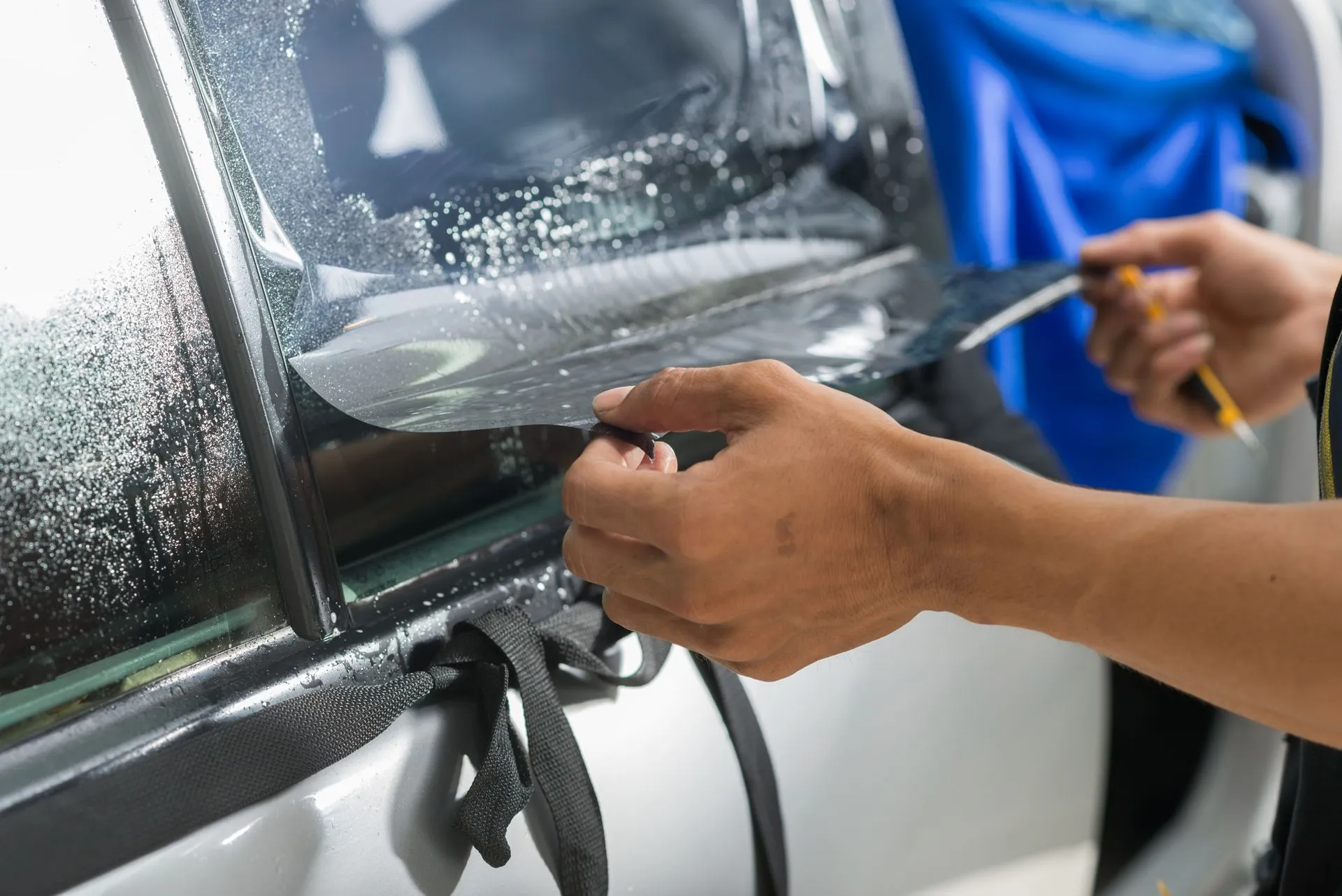
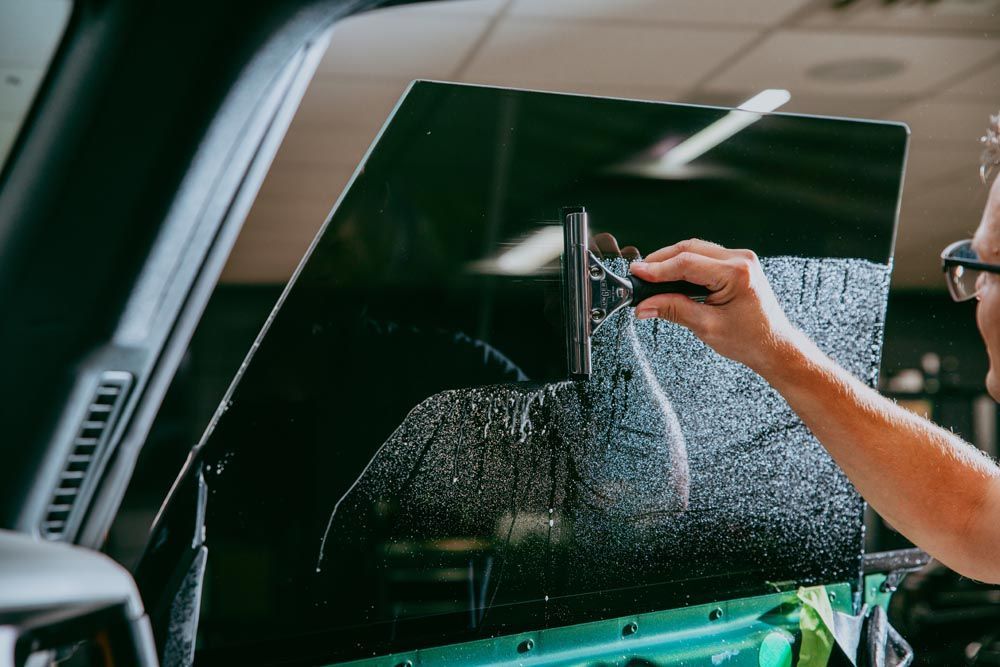
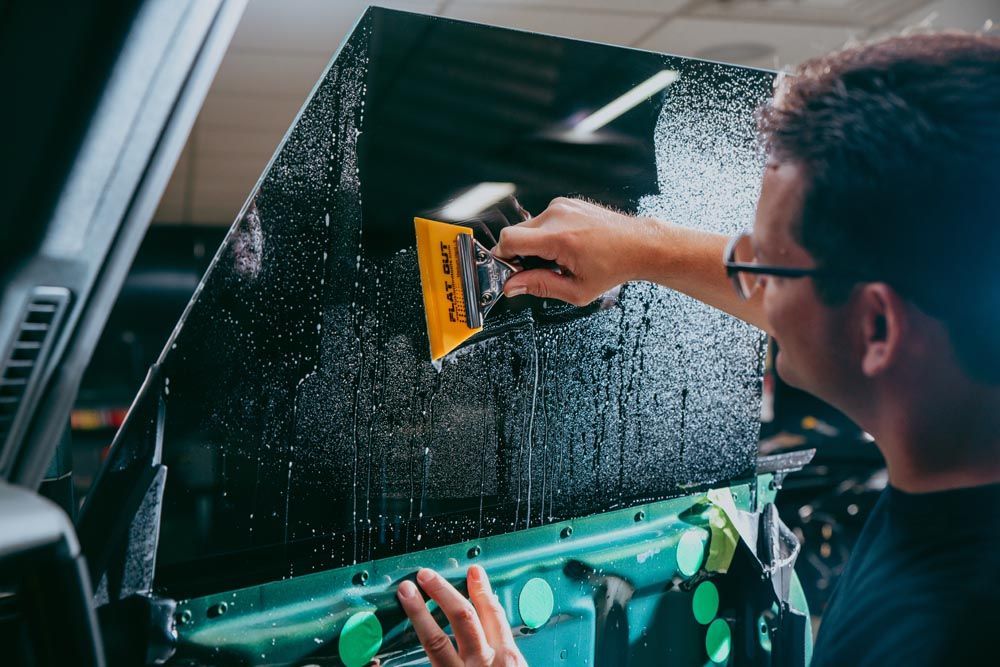
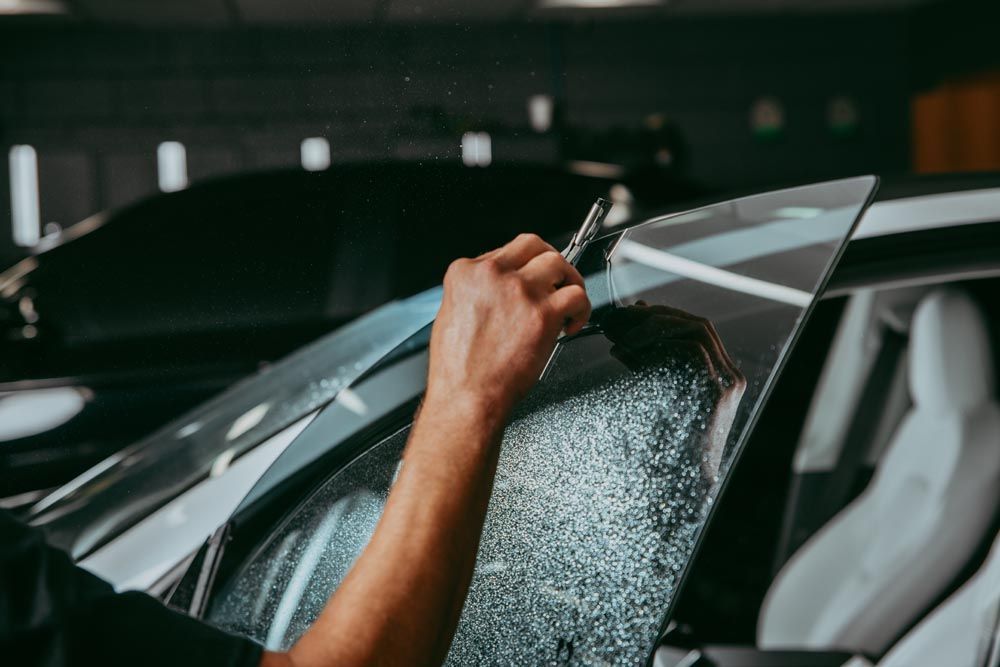
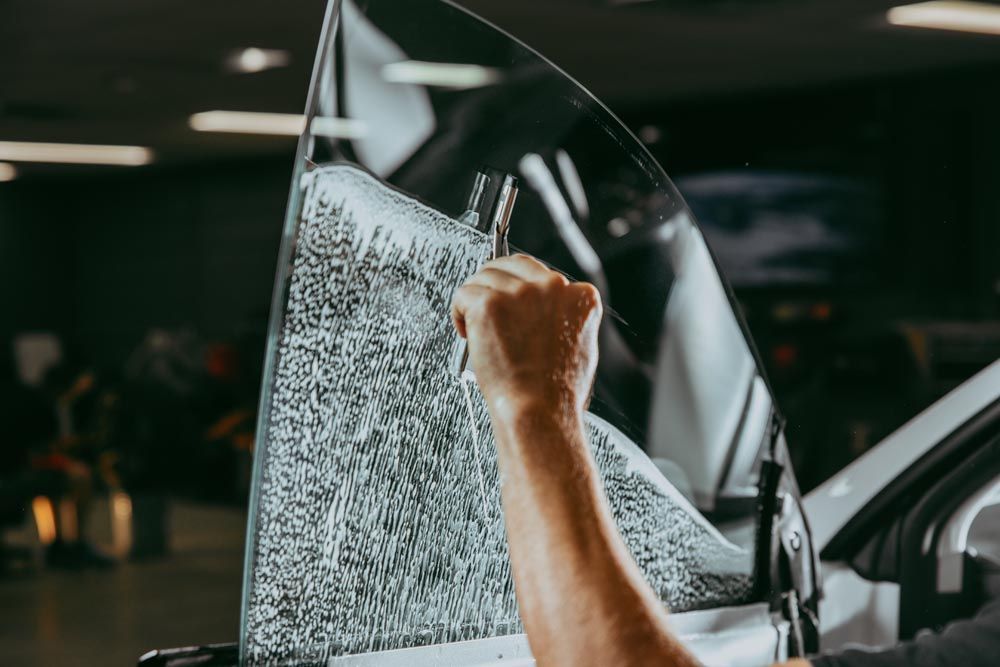
When it comes to tinting your windows, professional installation stands out for its precision and reliability. Experienced technicians bring a level of skill that ensures the film is cut perfectly to fit your vehicle's unique window shapes. Professionals have access to high-quality materials and use specialized tools designed to eliminate bubbles and wrinkles. With professional jobs, warranties often accompany installations, ranging typically from five years up to lifetime coverage, protecting your investment against premature failure.
While DIY installation offers cost savings, it demands patience and careful attention to detail. Without the right experience, tools, or dust-free environment, achieving a flawless finish is tricky. For drivers accumulating high mileage who rely on optimal visibility and durability day after day, a subpar installation can mean costly replacements sooner than expected. Professionally installed films typically deliver superior longevity and peace of mind. Maintaining your tinted windows is essential for protecting your investment and ensuring your tint lasts as long as possible. Avoid harsh or abrasive cleaners, as many household window cleaners rely on ammonia or alcohol, ingredients that can strip away the protective layers of your tint film over time. Instead, mix distilled water with a small amount of mild dish soap or use a commercial cleaner labeled ammonia-free and safe for tint. Use a soft microfiber towel to avoid creating micro-scratches, and always clean your windows when they are cool, preferably parked in the shade.
Regular visual inspections are vital. Look closely at edges and corners for any signs of bubbling, peeling, or discoloration. These are early indicators that moisture or debris may have gotten trapped beneath the film or that adhesive is breaking down. Catching these issues early allows you to address them before they spread, potentially saving costly repairs or full replacements down the line. By incorporating these maintenance habits into your routine, you're enhancing every driving experience by reducing fatigue from sun glare, preserving vehicle interiors from UV damage, and keeping visibility sharp mile after mile. Proper maintenance transforms tinted windows from a one-time expense into a long-term comfort upgrade tailored perfectly for the high-mileage driver's lifestyle.
Stay Cool and Confident on Every Bristol, IN Road
High-Def Detailing offers
premium window tinting services in Bristol, IN designed to boost comfort, reduce glare, and create a more enjoyable driving experience year-round. Our team installs high-quality films that help maintain a cooler cabin, protect interior materials, and add a sleek, refined touch to your vehicle. Whether you're aiming for better UV protection or a smoother ride under bright Indiana skies, we’re here to deliver a clean, flawless finish every time.
Schedule your window tinting service with us today and enjoy the difference expert installation can make!