Fall Harvest Roads: Why Your Car Needs Paint Protection Film
When the leaves start to turn, most of us are thinking about cooler evenings and the season ahead. Few drivers stop to consider what autumn does to their vehicle's paint. But fall on country roads brings a mix of hazards that quietly chip away at your finish: sticky sap, loose gravel, chip-seal grit, and the debris kicked up behind farm equipment during harvest.
The good news is that a clear, durable layer of paint protection film (PPF) can take those hits for you, acting like an invisible shield so you can enjoy the season without watching your paint pay the price. For drivers looking into paint protection film in Goshen, understanding these seasonal threats is the first step to protecting your vehicle before the damage starts.
The Autumn Threats on Harvest Roads
Fall is beautiful, but it is hard on a vehicle's exterior. In farming areas, harvest season fills the roads with tractors, grain trucks, and other equipment that kick up stones, dirt, and crop debris. Behind them, your front end takes the brunt. The main seasonal threats include:
- Gravel and chip-seal grit: Many rural roads throw loose stone at driving speed, leaving chips and fine scratches that dull a glossy finish.
- Fallen leaves and tree sap: When leaves settle on damp paint, they trap moisture and organic residue against the surface. Combined with sap, they can stain or etch the clear coat if left too long.
- Bird droppings: Acidic enough to mar unprotected paint when they sit.
- Road salt and frost grit: As crews begin treating roads for early frost, that salt and grit become corrosive to both paint and metal.
- Temperature swings: The daily shift from cold mornings to milder afternoons makes paint expand and contract, adding stress to the finish.
Put together, it is a season practically built to wear down an unprotected vehicle.
Paint Protection Film in Goshen: Where Your Vehicle Is Most Vulnerable
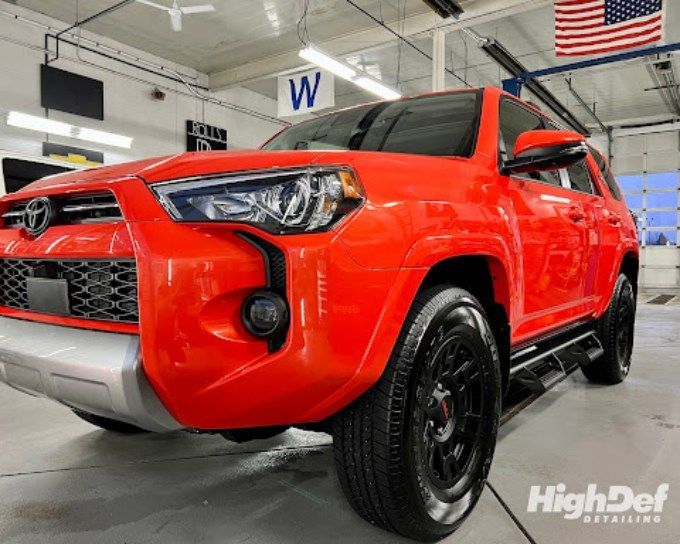

Not every panel faces the same risk. On fall harvest roads, damage concentrates on the surfaces that meet the road and the debris head-on:
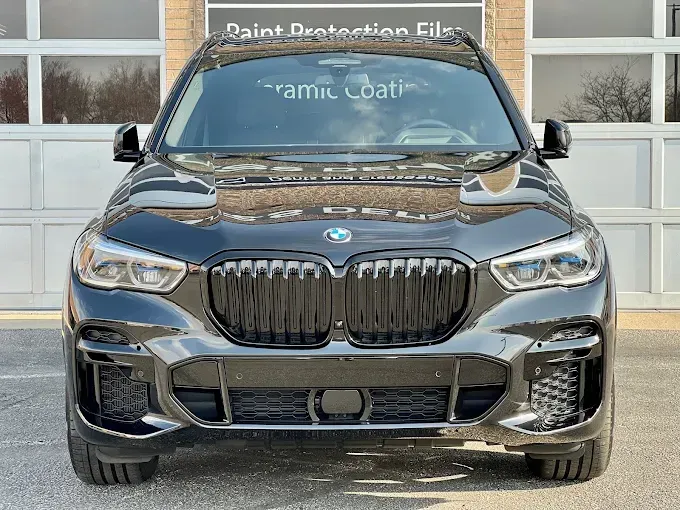
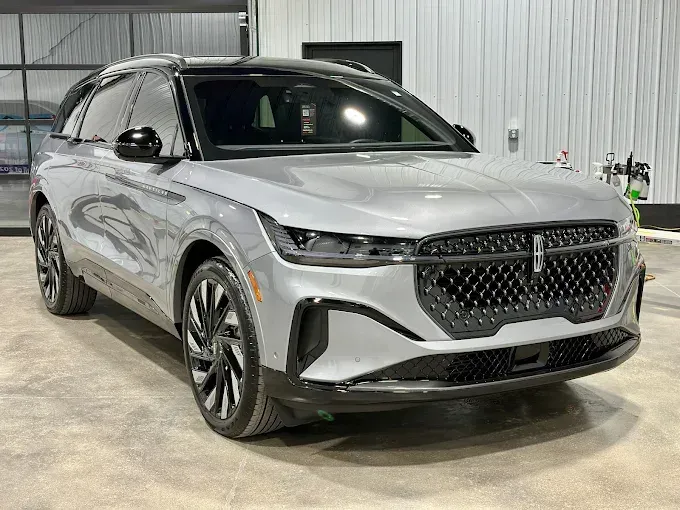
- Front bumper and grille: The first to catch gravel, crop debris, and stones kicked up by the vehicle or equipment ahead of you. This is where rock chips show up first and most often.
- Hood: Exposed to the same high-speed particles, plus falling sap and leaf residue when you park under trees. The leading edge is especially vulnerable.
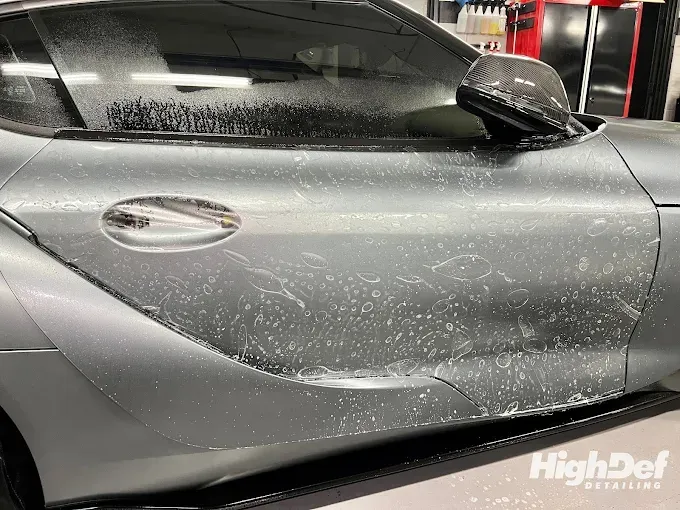
- Rocker panels and lower doors and fenders: These sit right in the path of everything the tires sling upward, from gravel to the salt and grit laid down for frost. This is where staining and corrosion tend to begin.
Because the damage is so predictable, protection can be focused exactly where it does the most good.
How Professionally Installed PPF Shields Those High-Impact Areas
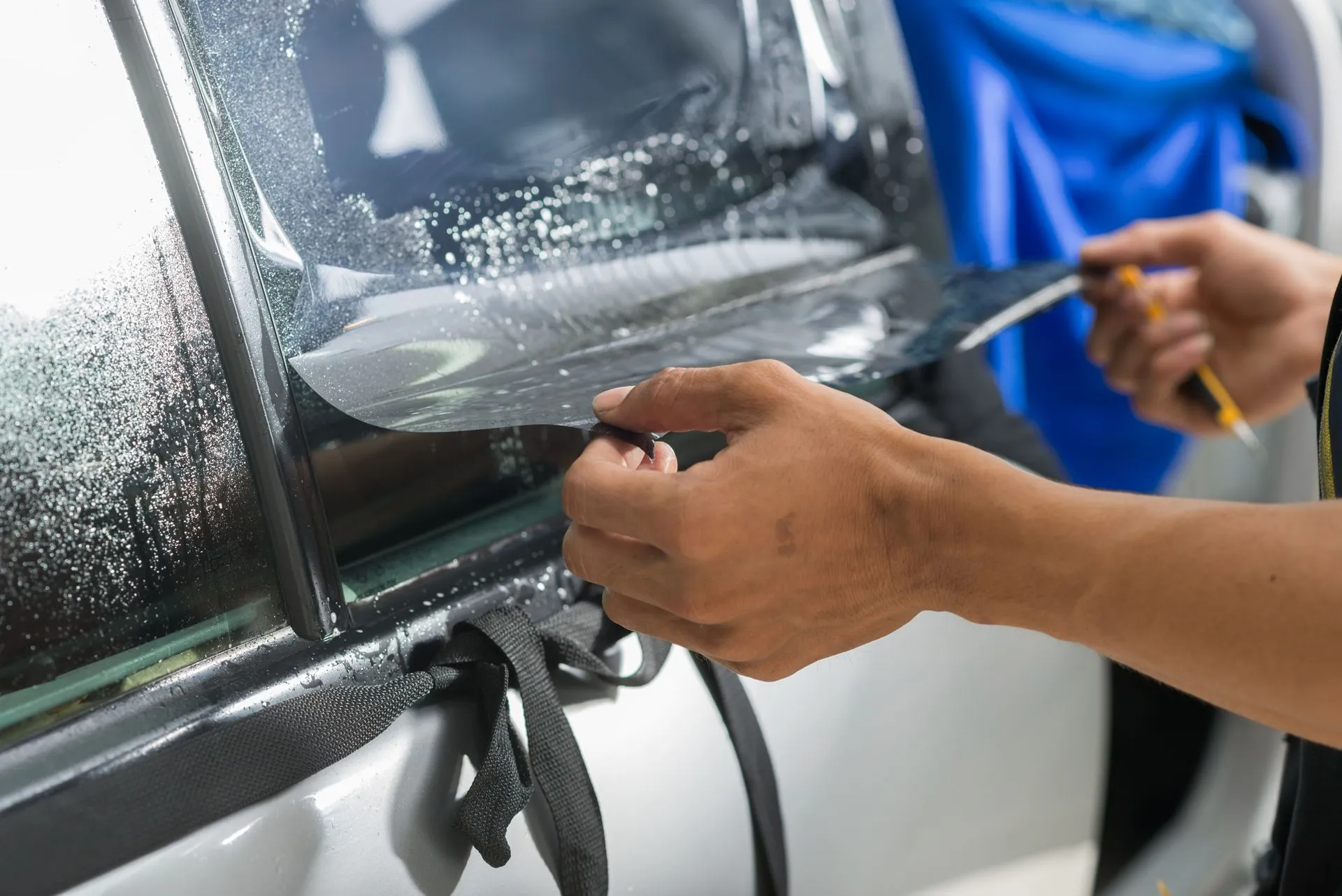
Paint protection film works like a clear, durable second skin for your paint. Applied to those high-impact zones, it absorbs the hits from gravel and debris so the factory finish underneath stays intact. Quality film does several things at once:
- Self-healing surface: Minor scratches and swirl marks fade with warmth from the sun or a warm rinse, so light abrasion from harvest-road grit does not leave a lasting mark.
- Acid and stain resistance: The film resists the acids in sap and bird droppings, preventing the etching and staining that fall throws at your paint.
- UV protection: Built-in UV inhibitors help guard against fading and oxidation from sun exposure.
- Hydrophobic finish: Water, mud, and dirt bead and slide off, which means fewer water spots and far easier cleanup after a wet drive down a country road.
Applied to the front bumper, hood, and other leading edges, film creates a defense built specifically for the conditions drivers face this time of year.
Why the Front End Deserves Priority Protection
Paint protection film delivers the most value when it is placed where the road does the most damage. Because fall hazards concentrate on the front end, hood, and lower panels, focusing your film on those areas gives you the strongest defense for your investment. For a vehicle you plan to keep, protecting these high-impact zones is one of the smartest ways to preserve both the paint and its long-term value through many autumns to come.
What to Expect From a Quality Installation
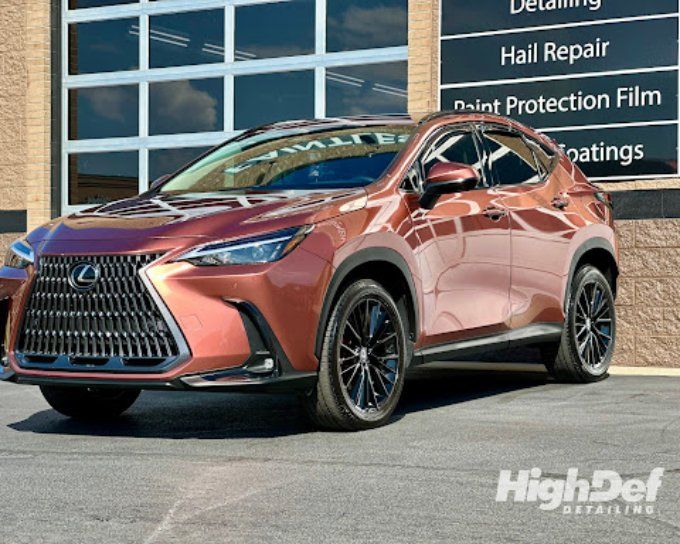
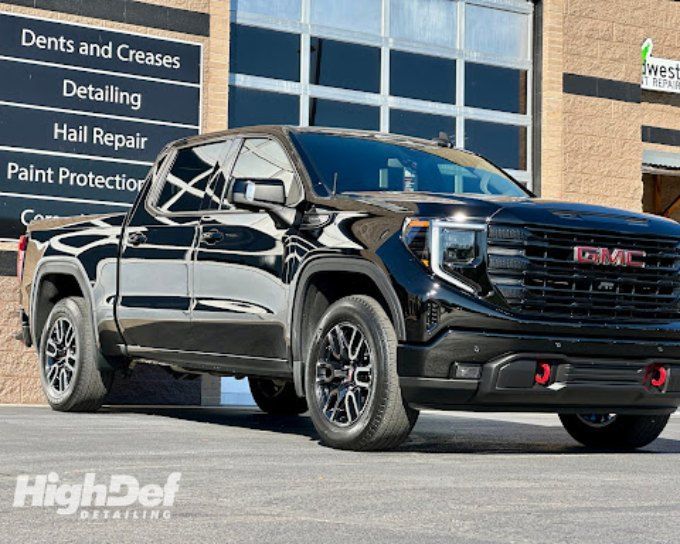
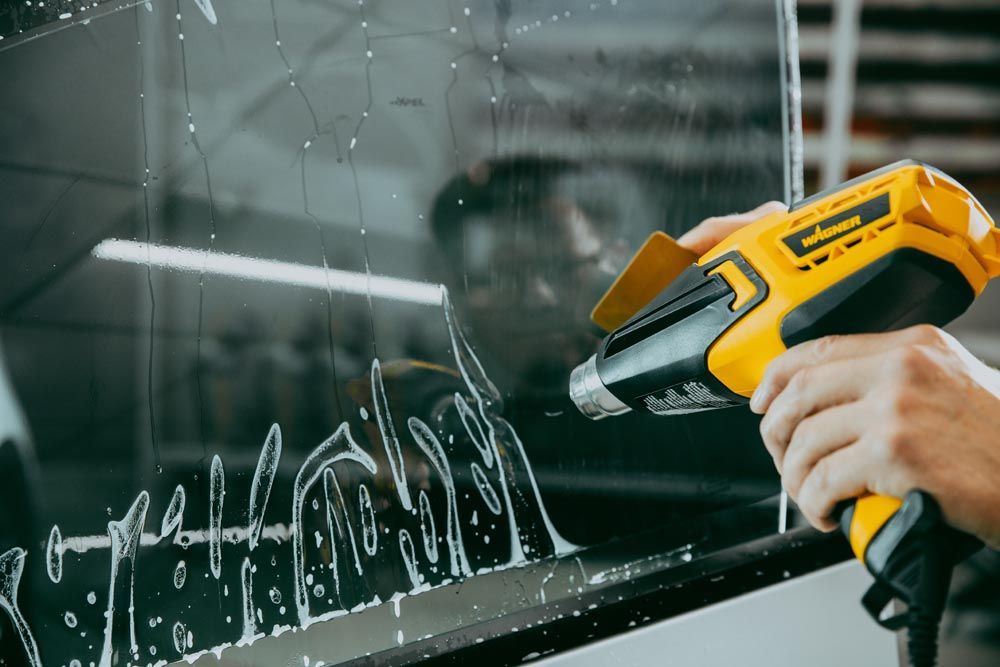
Even the best film only performs when it is installed correctly, and this is where professional work makes the difference. A quality installation follows a careful process:
- Meticulous preparation: A thorough wash, decontamination, and paint correction to remove existing imperfections, so the film goes onto a flawless surface.
- Custom-fit application: Precise patterns applied to your vehicle's exact contours, with careful attention to sealed, wrapped edges that resist lifting and stay invisible.
- Skilled, patient work: Special care around the curves of a modern front end, avoiding the trapped air and misaligned edges that a rushed job or a DIY kit tends to leave behind.
- Proper curing and aftercare: Fresh film needs a little time to cure, and you leave knowing exactly how to care for it.
Throughout the process, you can expect the clear communication and craftsmanship our customers count on, from the first quote to the final walkthrough. Based in Elkhart, High-Def Detailing proudly serves Goshen and the surrounding communities with that same care on every install.
Protect Your Vehicle Before Fall Takes Its Toll
The smartest time to protect your paint is before the damage starts. Once a chip or stain sets in, you are paying to repair it rather than prevent it. Getting your vehicle protected ahead of harvest season means it is ready for the gravel, sap, and grit of country roads from the very first drive.
Ready to protect your vehicle this fall? If you are considering paint protection film in Goshen,
request a free quote from High-Def Detailing or call us at
(574) 333-9976, and we will help you build the right protection plan for how and where you drive!
Frequently Asked Questions
What autumn hazards does paint protection film protect against?
PPF shields your paint from the rock chips, scratches, sap, leaf residue, bird droppings, and road grit that come with fall driving, absorbing impacts and resisting stains before they reach your factory finish.
Which parts of my vehicle should I protect first?
The front bumper, hood, and lower panels take the most damage on gravel and chip-seal roads, so they are the priority. A professional can help you decide how much coverage fits your driving and budget.
How long does paint protection film last?
With proper care, quality professionally installed film provides long-lasting protection. Your installer can walk you through what to expect based on the film and your driving conditions.
Why should I choose professional installation?
Proper prep, custom-fit patterns, and sealed edges are what make film last and stay invisible. Professional installation avoids the bubbles, lifting, and misalignment common with DIY kits.