Paint Protection Film: Keep Your Car Looking New With Less Effort
Keeping your car looking fresh off the lot can feel like an uphill battle. Between tiny scratches from shopping carts, rock chips on the highway, and the relentless effects of sun and weather, that showroom shine fades faster than you'd like. Paint protection film, commonly called PPF, offers a solution: a nearly invisible layer that shields your paint and makes maintenance easier while preserving your car's appearance for years. If you've been wondering whether PPF is worth the investment, this guide explains what it is, how it works, and why it might be the smart choice for protecting your vehicle.
What Is Paint Protection Film?
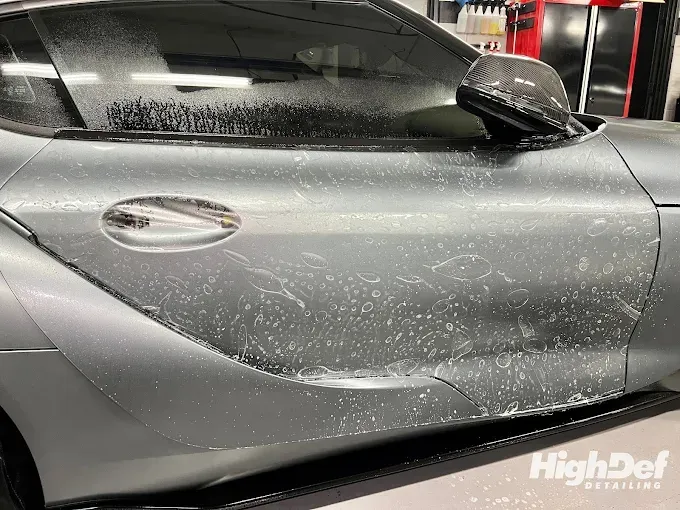
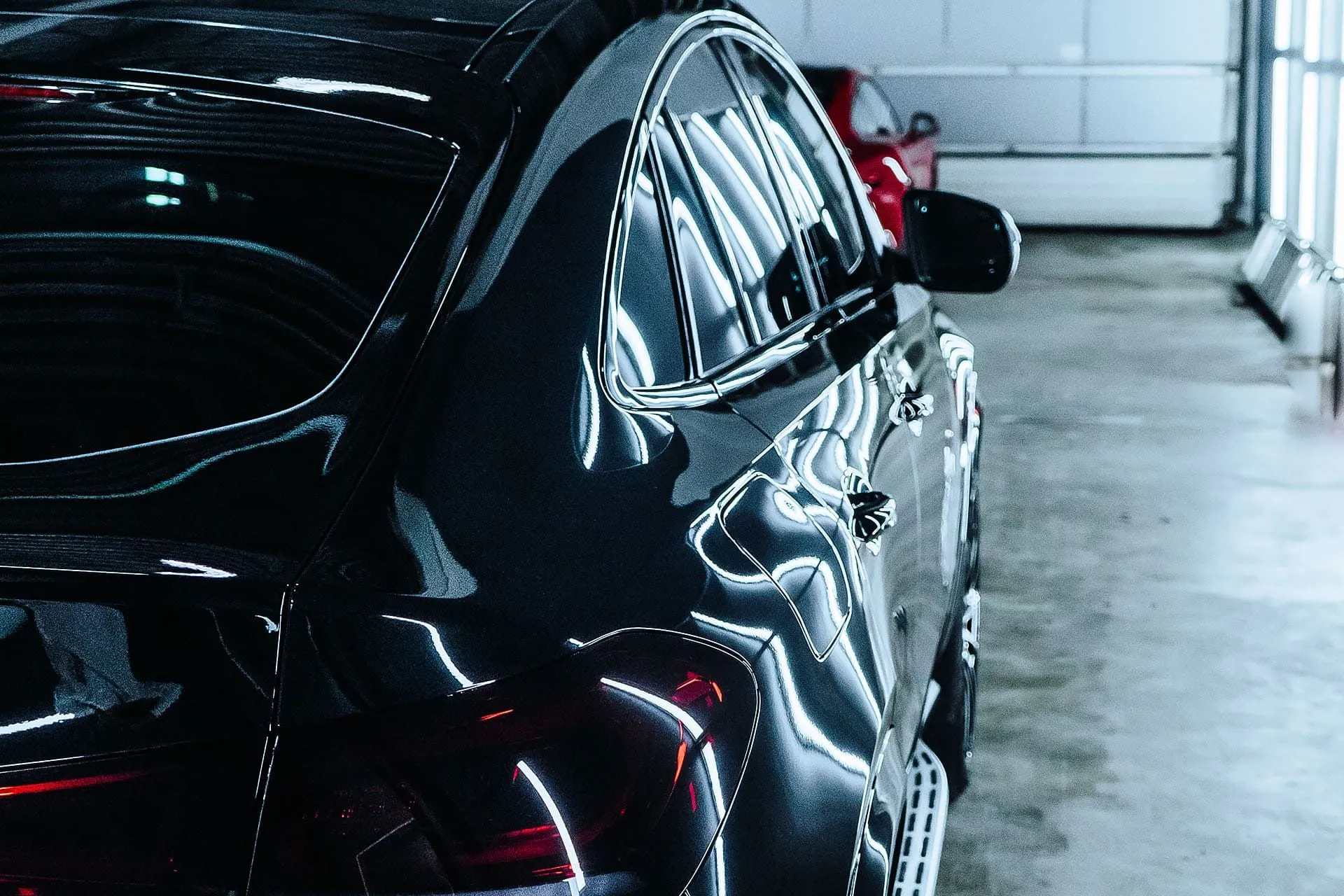
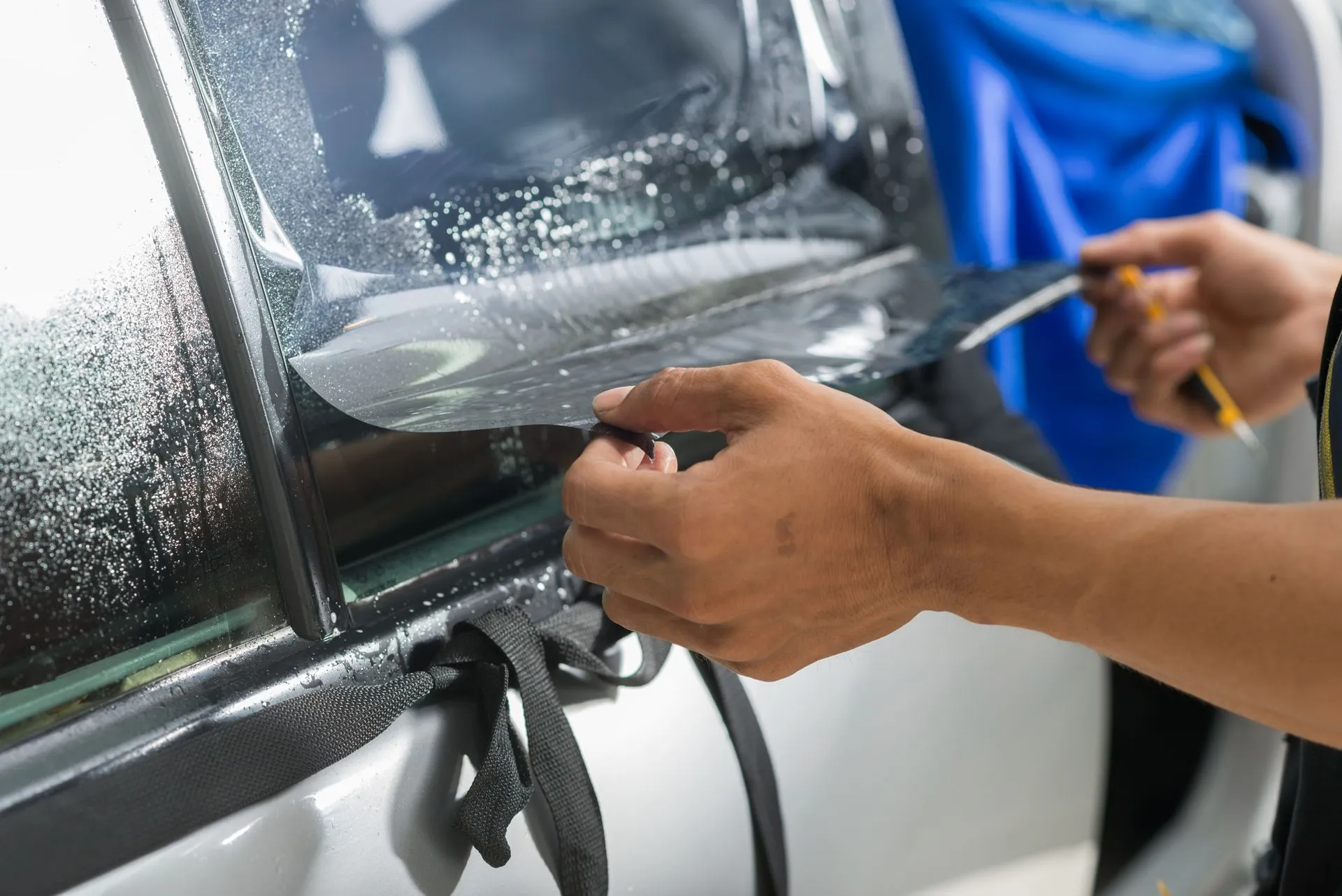
Paint protection film is a transparent, durable layer made from thermoplastic urethane that's applied to your vehicle's exterior surfaces. Think of it as an invisible shield designed to protect your car's paint from everyday hazards like scratches, chips, bird droppings, and UV rays. Unlike wax or spray coatings that sit on top of the paint and wear away quickly, PPF is a physical barrier that bonds directly to your vehicle, offering substantially more protection. Modern PPF has become remarkably customizable. Professionals use computer-guided cutting tools to create perfectly fitting films for almost every exterior section of your vehicle, from the hood and fenders to side mirrors and door edges. This precision allows for either full-vehicle coverage or focused protection on key areas most vulnerable to damage. You can choose the level of protection that fits your budget and needs. Many current PPF varieties come with self-healing capabilities, meaning minor scratches vanish when exposed to gentle heat from sunlight or warm water. This feature alone can save you countless trips to repair shops and help maintain that new-car appearance.
How PPF Protects Your Vehicle
Paint protection film acts as your car's first line of defense, physically protecting the paint from minor scratches, abrasions, and the inevitable rock chips that come from highway driving or gravel roads. Every time you drive, thousands of tiny hazards could strike your vehicle. Without PPF, these impacts would directly damage the paint. Instead, the film absorbs the impact, preserving the smooth surface underneath. One of the less obvious threats to your car's finish is sunlight, specifically ultraviolet rays. Prolonged exposure causes paint to fade and deteriorate, robbing your vehicle of its vibrant color and gloss. Quality PPF includes built-in UV protection that blocks harmful rays, keeping your car looking fresh longer while combating oxidation, the slow process that dulls and cracks paint over time. With PPF, you get a chemical barrier that prevents these microscopic attacks from damaging your car's surface.
Beyond sunlight and road debris, the environment throws various chemical hazards at your paint. Bird droppings, tree sap, acid rain, and road salts might seem harmless but can cause serious damage if left unchecked. These substances are acidic or abrasive enough to etch into unprotected paint, leaving stubborn stains or marks that require costly repairs. PPF forms a resilient barrier against such contaminants, preventing them from interacting directly with the paintwork. Its chemical resistance means you can wipe away bird droppings or sap before they cause lasting harm, a crucial advantage for maintaining flawless surfaces in unpredictable environments. The self-healing properties of modern PPF further enhance its durability. Minor scratches fade when exposed to heat from sunlight or warm water, ensuring your vehicle maintains its showroom-quality appearance with minimal upkeep. When combined with ceramic coatings, which amplify water repellency and UV defense, vehicles gain superior protection that preserves both appearance and value over the years.
The Benefits of Using PPF
One of the standout features of modern paint protection film is its remarkable self-healing ability. Minor scratches or swirl marks that appear after a day on the road can fade away naturally when your car is exposed to sunlight or gentle warmth. PPF uses specially engineered thermoplastic urethane layers that soften under heat, allowing tiny abrasions to heal themselves without any intervention. Your car's finish stays smooth and flawless much longer, reducing the need for costly touch-ups or film replacements. Beyond keeping the surface blemish-free, PPF also plays a crucial role in enhancing your vehicle's aesthetic appeal. By preserving the factory paint from swirl marks, dust, and oxidation caused by sun exposure and environmental hazards, it maintains that coveted glossy finish new cars are known for. The clear film remains virtually invisible yet serves as a resilient shield that keeps colors vibrant and paintwork luminous, so your car looks showroom-fresh every time you park it.
This leads directly into one of the most practical benefits: significant resale value preservation. Cars protected with PPF often attract higher offers when it comes time to sell because their factory paint remains intact and unmarred. Vehicles protected with quality PPF can see resale prices increase substantially, reflecting buyers' appreciation for well-maintained exteriors without repainting or visible wear. Owning a car with PPF also means less effort during routine maintenance thanks to its hydrophobic properties. Water beads up and slides off the surface, taking dirt and grime along with it. This repellent behavior not only minimizes water spots but also dramatically reduces how often you need to wash the car. Fewer washes mean less chance of introducing scratches during cleaning and more time enjoying your vehicle instead of scrubbing it.
Professional vs. DIY Installation
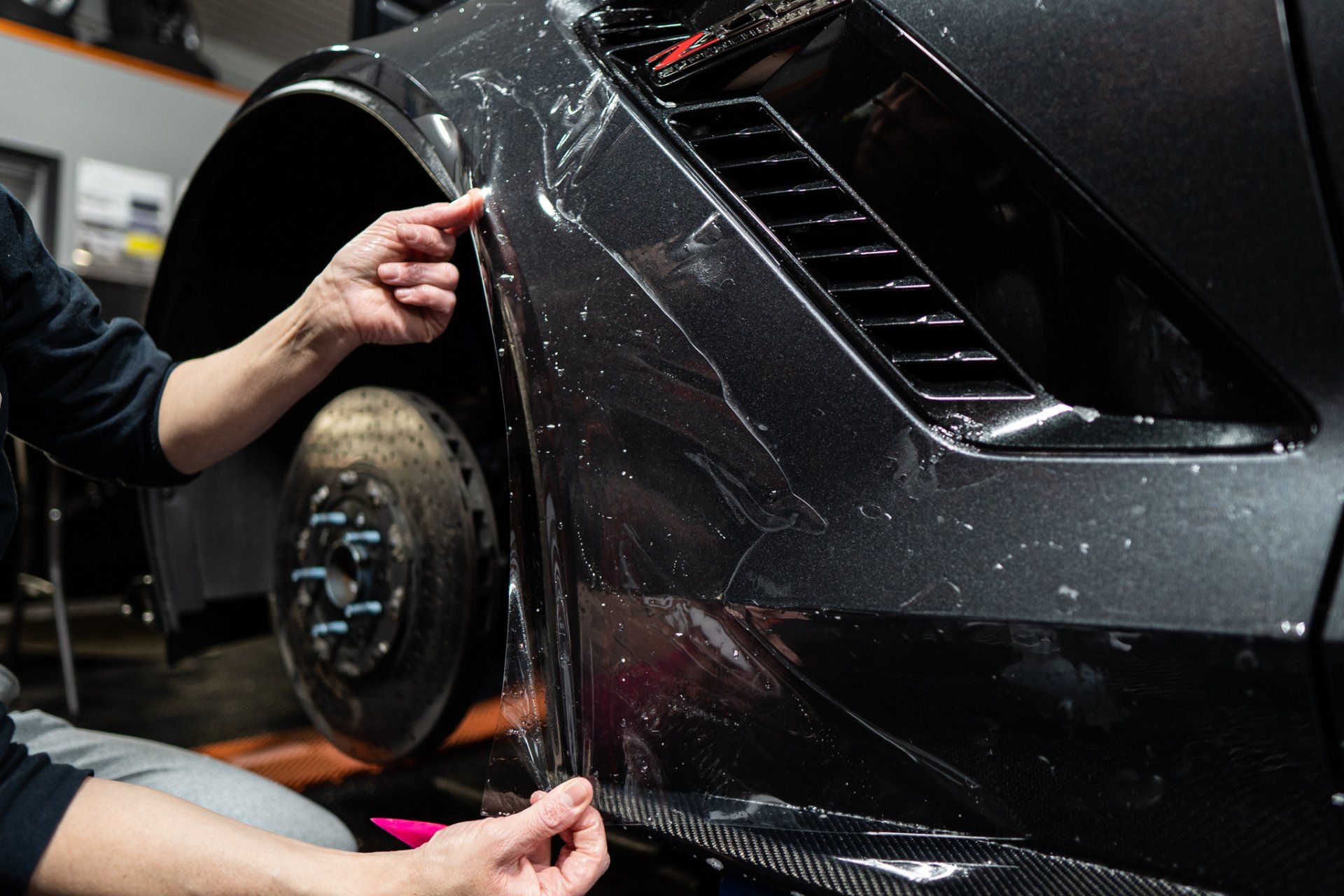
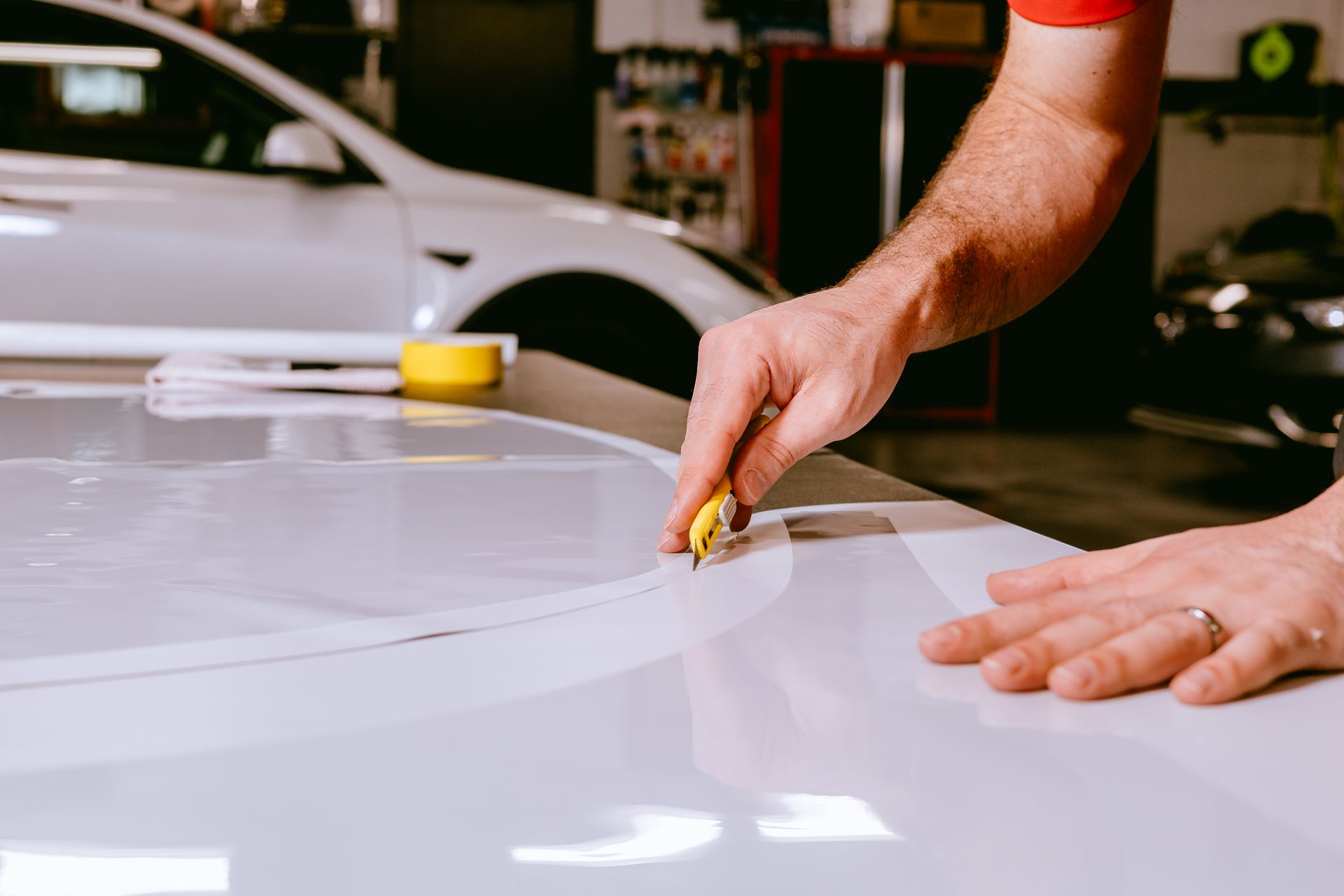
When considering a paint protection film application, professional installation often stands out as the reliable choice. Skilled technicians bring years of experience to the task, equipped with specialized tools that help ensure the film lies smoothly across every curve of your vehicle. Their expertise minimizes common issues such as bubbles, wrinkles, or misaligned edges, imperfections that can diminish both protection and appearance. Professionals typically use computer-cut patterns tailored to each car model. This precision fit reduces waste and guarantees that even tricky areas around mirrors, handles, and trims are properly covered. The adhesive used for PPF needs careful handling. Too much stretching or incorrect positioning can weaken its bond or cause visible flaws. Professionals understand how to manipulate the film's elasticity without compromising its integrity. This not only preserves your car's aesthetics but also extends the durability of the protective layer. Entrusting the job to an expert usually means you can drop off your vehicle and pick it up when ready, rather than spending multiple weekends on installation.
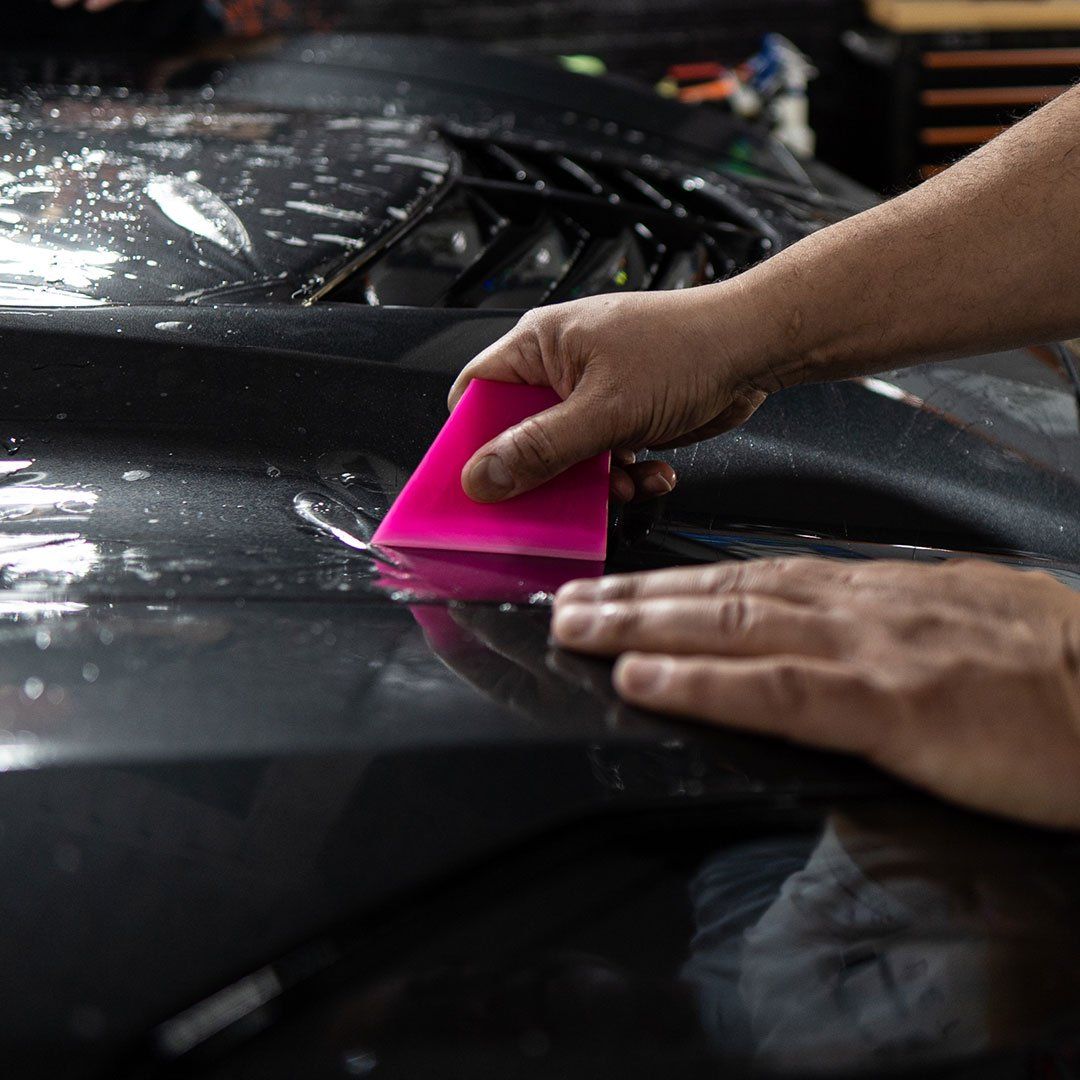
However, not everyone has the budget or schedule flexibility for professional service. DIY PPF kits have opened up new possibilities for enthusiasts who want to take control of their vehicle care. These kits come with pre-cut films and step-by-step guides designed to simplify installation even for beginners. Be prepared, though: installing PPF yourself requires patience, a clean workspace free of dust and debris, and a steady hand. The biggest challenges are avoiding air bubbles trapped under the film and ensuring edges precisely adhere without lifting. Even minor errors during application can lead to unsightly bubbles or folds that compromise protection and detract from your car's appearance. Aggressive handling or using sharp tools incorrectly might scratch the paint underneath, a costly mistake. Many DIY installers find that mastering these skills through practice is essential before attempting full-car coverage.
If you decide to install PPF yourself, set realistic expectations regarding time investment and learning curve. Start small, perhaps with less visible panels or areas that are easier to reach, then move on as your confidence grows. Pay special attention during surface preparation. Thorough cleaning will make adhesion smoother. Use lubricant sprays typically included in kits to maneuver the film gently into place without overstretching. Professional installation typically costs significantly more than DIY kits but delivers a near-perfect finish with minimal defects. DIY installation offers flexible scheduling and substantial cost savings, though quality varies based on your skill level. Close-to-professional results are possible with practice and patience. Ultimately, your choice between DIY and professional installation hinges on your priorities: cost savings versus convenience and guaranteed quality.
Is PPF Worth the Investment?
When evaluating whether PPF is a wise investment, consider both upfront costs and long-term savings. The initial price can be substantial, ranging from a few hundred dollars for partial coverage up to several thousand for full-body applications, especially on larger or luxury vehicles. This cost includes professional installation, the quality of the film, and sometimes warranties that cover damage like rock chips or scratches. The price reflects more than just protection. It's about preserving your car's finish against environmental hazards. Without PPF, regular wear and tear from road debris, UV rays, bird droppings, and minor scrapes gradually degrade paintwork. Over time, those damages translate directly into costly repairs: repainting panels, polishing out scratches, or reselling your car at a lower value due to cosmetic flaws.
From a practical standpoint, PPF acts as a barrier that minimizes frequent trips to detailers or body shops. Instead of spending hundreds annually on paint correction treatments, owners with PPF often schedule less intensive upkeep, just washing and occasional inspections. This reduces overall maintenance expenses. More importantly, this preservation shows in higher resale prices, as buyers recognize a well-maintained exterior requiring less restoration work. This is particularly notable for luxury or performance vehicles where appearance and condition dramatically impact market value. Many enthusiasts view PPF not merely as protection but as an essential maintenance step for safeguarding their investment.

Maintaining Your Protected Vehicle
Though paint protection film requires less upkeep than traditional paint finishes, regular care is essential to preserve its protective qualities and aesthetic appeal over time. One key maintenance practice is regular washing using a gentle approach. Use a pH-neutral soap with a soft microfiber cloth or wash mitt, employing the two-bucket method to minimize dirt and grit abrasion. This technique prevents surface scratches and removes contaminants before they can embed into the film. Avoid automatic car washes equipped with bristle brushes since they may lift edges or cause micro-abrasions that shorten the PPF's lifespan. Periodic inspections are crucial for spotting any signs of edge lifting, bubbling, or damage caused by road debris or environmental wear. When you find small lifted edges, resist the urge to peel them back forcefully. Instead, gently press these areas down using a soft cloth dampened with soapy water. This helps re-adhere the film without causing further harm. However, if large areas are damaged or bubbles persistently form underneath, consult a professional installer rather than attempting repairs yourself. Professionals have the right tools and adhesives designed specifically for PPF maintenance, which prevents escalating issues that might require costly replacements later.
For those eager to boost their film's durability and aesthetics, applying a ceramic coating on top of your PPF adds an additional hydrophobic layer that repels water, dirt, and grime more effectively. The result produces a glossy finish and simplifies future cleaning because contaminants have less chance to bond with the surface. Ceramic coatings compatible with PPF also help reduce staining from substances like bird droppings or bug splatter. Just be sure to select a product labeled as safe for use over paint protection films to avoid cloudiness or chemical reactions that could degrade your investment. Give newly installed PPF at least seven days before washing or applying any coatings to let the adhesive fully cure. This patience pays off by securing lasting protection without lifting issues. These care habits not only guard against environmental hazards but also preserve your car's resale value by ensuring its paint continues to appear flawless beneath a crystal-clear shield.
Making the Right Choice for Your Vehicle
Paint protection film offers more than just surface defense. It preserves value, saves effort, and extends the satisfaction of owning a car with a pristine appearance well beyond its early years. Whether you choose professional installation for guaranteed results, or tackle a DIY project to save money, the investment in PPF pays dividends through reduced maintenance, enhanced appearance, and stronger resale value. PPF is a smart financial decision for luxury vehicles, performance cars, or any vehicle you plan to keep for years, as it protects the paint from daily driving hazards while maintaining that fresh-from-the-dealership look.
Mishawaka’s Premier PPF Team
Protecting your vehicle’s finish starts with High-Def Detailing,
Mishawaka’s trusted choice for premium paint protection film that keeps your car looking sharp through every season. Our skilled team installs high-quality PPF with precision, ensuring seamless coverage that defends against daily driving hazards and preserves long-term appeal. Whether you drive a family SUV or a performance car, we deliver results you can confidently rely on.
Schedule your PPF service
with High-Def Detailing today and give your vehicle the protection it deserves!