Auto Window Tinting Benefits for Extreme Summer Heat Days
Beating the summer heat isn't just about sweating less, it's about making your car a cooler, safer place to be. Auto window tinting might sound like a style upgrade, but it does far more than darken your windows. It blocks solar heat, shields you from harmful UV rays, and helps protect your car's interior from breaking down under the sun. If you've ever climbed into a scorching car and wished for instant relief, this simple upgrade could change your daily drives more than you'd expect.
Why Summer Heat Is So Hard on Your Car
A parked car in direct summer sun heats up fast, and everything inside takes the hit. Leather and upholstery can dry out and crack, dashboards fade, and electronic components age faster under repeated heat and UV exposure. None of this happens overnight, but it adds up season after season, especially across Michiana's hot, humid summers.
The heat also makes your air conditioning work harder just to keep the cabin livable, which puts extra strain on your HVAC system over time. And on top of the discomfort, strong summer glare, especially during early morning or late afternoon drives, can genuinely impair visibility and add to driver fatigue.
Window tint addresses all of this at once. By blocking a meaningful share of solar heat and UV rays before they ever reach your interior, quality tint keeps your cabin cooler, protects your materials, and cuts down on glare, all from a single upgrade.
What Quality Window Tint Actually Protects Against
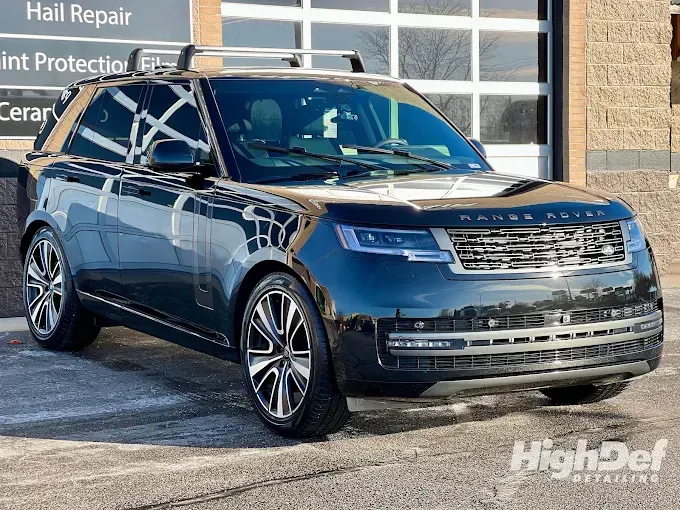
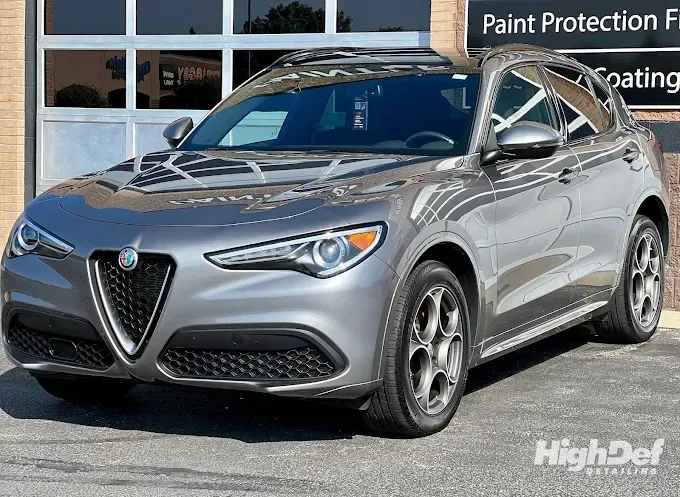
A quality nano-ceramic film, like the SMARTSeries tint we install at High-Def Detailing, works as a barrier between your interior and the elements. It reduces the solar heat entering your cabin, so your car feels noticeably cooler and your A/C doesn't have to work as hard.
It also blocks a large share of harmful UV rays, the same rays responsible for fading upholstery, cracking dashboards, and breaking down interior trim over time. Reducing that exposure helps your interior hold up better for longer, and it's a meaningful benefit for anyone who spends a lot of time behind the wheel.
Beyond heat and UV protection, tint reduces glare from the sun and from other vehicles' headlights or wet roads, making it easier to focus on the road. It also adds a layer of privacy, limiting what passersby can see into your car and helping protect any valuables left inside.
What to Look For in a Quality Installation
Not all tint jobs are created equal, and the quality of the install matters as much as the film itself. A few things worth asking about before you book:
- Film quality. Nano-ceramic films offer stronger heat and UV rejection than older dyed or metalized films, without interfering with GPS, radio, or Bluetooth signals.
- Legal compliance. In Indiana, front side windows must allow more than 30% visible light through, with reflectivity capped at 25%, per Indiana state law. A reputable installer will know these limits and keep your vehicle compliant.
- Clean, bubble-free application. A properly installed film should go on smoothly, without visible bubbles, creases, or peeling edges.
- Aftercare guidance. A good installer will walk you through the curing period and how to clean your windows without damaging the film.
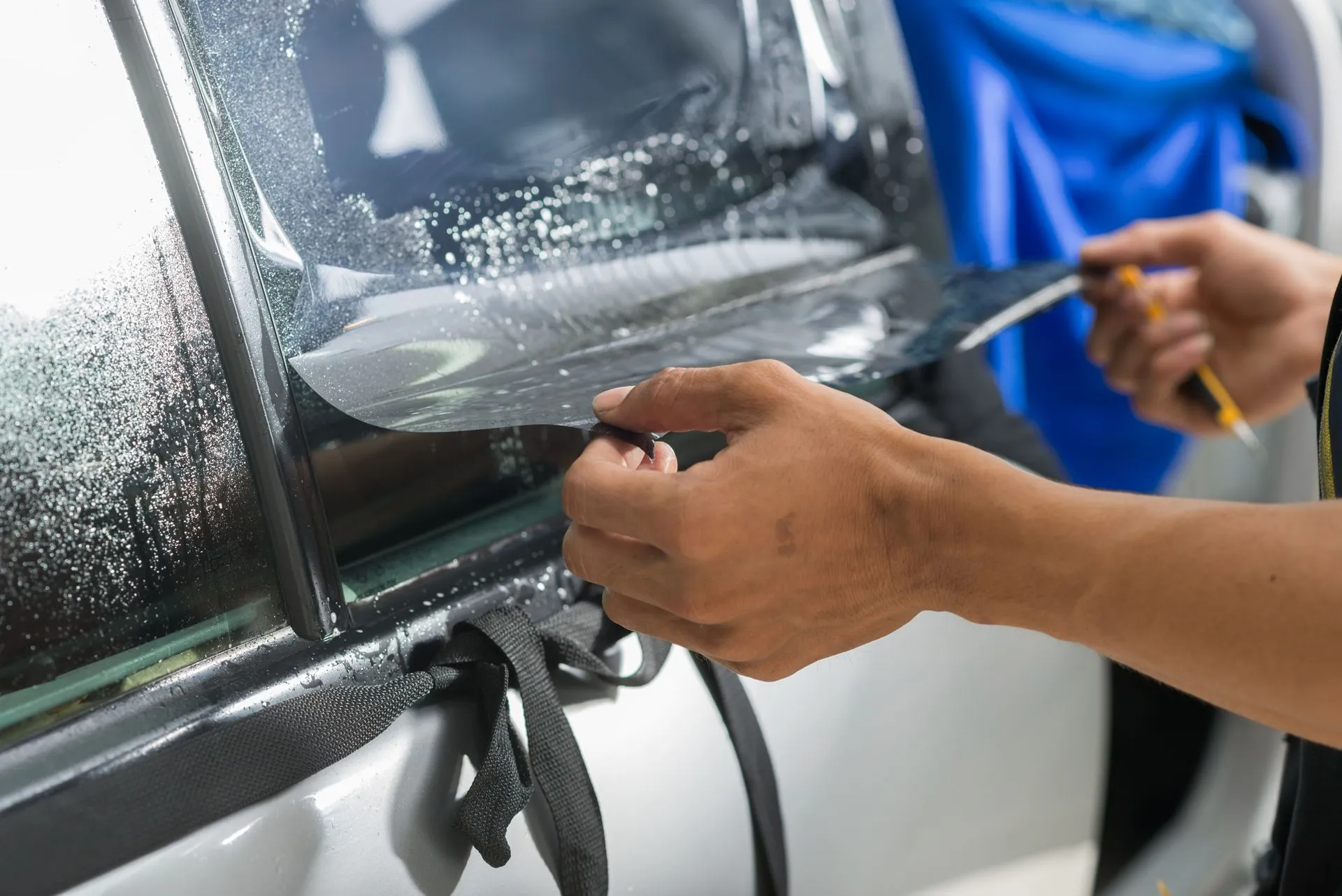
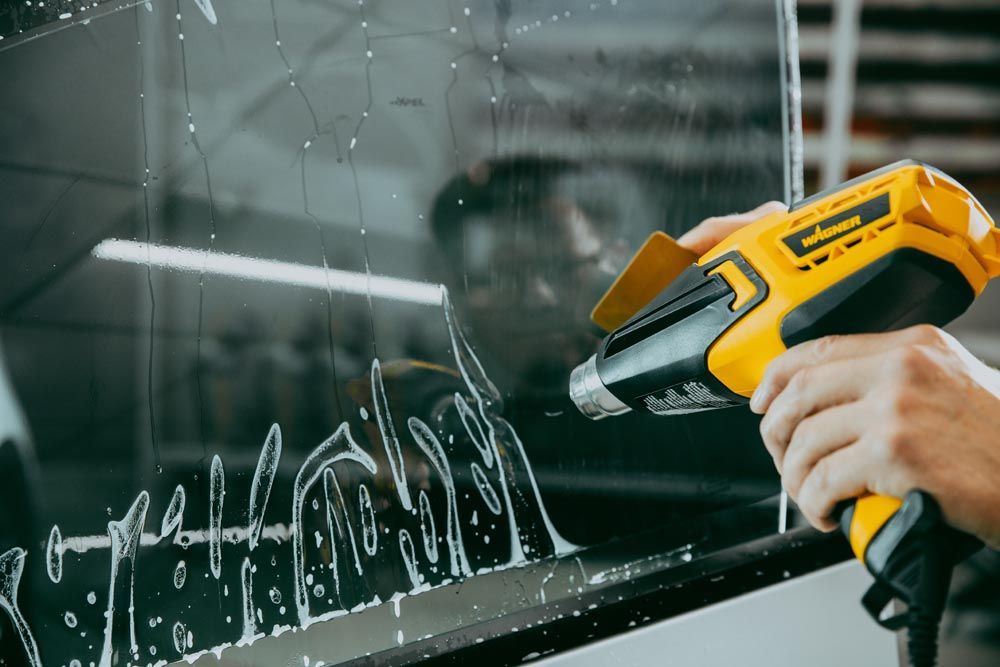
Asking these questions upfront helps make sure your tint looks great and holds up for years, not just for the first summer. If you're curious what the installation day itself looks like, our Bristol tinting walkthrough covers the process step by step.
Choosing the Right Tint for Your Vehicle
Different film types offer different trade-offs, and the right choice depends on your priorities:
- Ceramic tint offers the strongest overall combination of heat rejection and UV protection, without affecting electronic signals. It's a premium option worth considering if you deal with intense summer heat regularly.
- Carbon tint offers solid heat rejection with a clean, matte finish that resists fading over time, at a lower price point than ceramic.
- Dyed tint is the most budget-friendly option, offering some heat reduction and privacy, though it typically falls short of ceramic or carbon films on UV and heat performance.
- Metalized tint reflects heat effectively but can interfere with GPS, radio, and Bluetooth signals, worth keeping in mind if you rely on those features.
Whichever option you choose, staying within Indiana's legal tint limits keeps you compliant and avoids issues down the road.
How Window Tint Pays Off
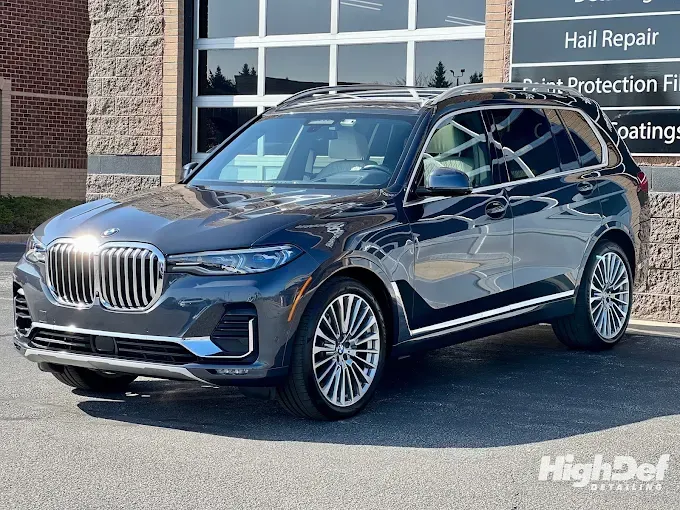
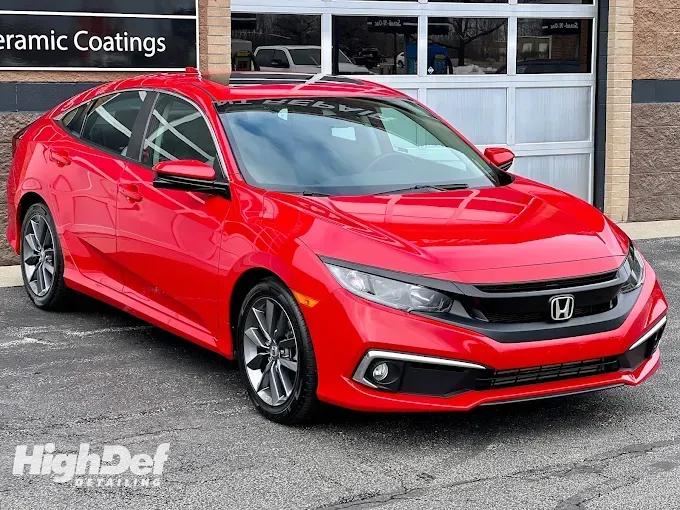
Window tint is as much a protective investment as it is a comfort upgrade. By reducing the heat and UV exposure your interior takes on, quality tint helps prevent fading, cracking, and premature wear on your seats, dashboard, and trim, the kind of damage that's expensive to repair later.
It also eases the workload on your air conditioning system, which can support better fuel efficiency and reduce strain on your HVAC components over time.
There's a resale angle too. A well-preserved interior signals to future buyers that a vehicle has been cared for, which can support a stronger position at trade-in or resale. For Michiana drivers gearing up for another hot summer, getting your windows tinted early is one of the simplest ways to protect your vehicle's comfort, appearance, and value for years to come.
Ready to Beat the Heat?
If you're tired of climbing into a sweltering car every summer, professional window tinting is one of the most practical upgrades you can make. High-Def Detailing offers expert, hands-on tint installation tailored to your vehicle and Indiana's legal requirements.
Call (574) 333-9976 or fill out our online quote form to get your car cooler and better protected this season!
Frequently Asked Questions
Are there legal restrictions on window tinting in Indiana?
Yes. Indiana requires front side windows to allow more than 30% visible light through, with reflectivity capped at 25%. A reputable installer will keep your vehicle within these limits.
Can window tinting help protect skin and eyes from harmful UV rays while driving?
Yes. Quality window tint blocks a large share of harmful UV rays that can contribute to skin damage and eye strain during driving, while also helping keep the cabin cooler and more comfortable.
Does window tinting improve fuel efficiency?
It can help. By reducing interior heat buildup, tinted windows mean your A/C doesn't have to work as hard, which can support better fuel efficiency, especially during hot summer drives.
What types of window tint are most effective against summer heat?
Ceramic and metalized films tend to perform best against summer heat. Ceramic tint offers strong heat rejection and UV protection without interfering with electronics, while metalized tint reflects heat well but can affect signal-based devices. For most drivers, ceramic tint offers the strongest overall balance.
Does window tint require any special maintenance?
Window tint holds up well with normal care. Avoid rolling windows down during the curing period after installation, clean with a soft microfiber cloth and ammonia-free cleaner, and park in shade when possible to ease heat and UV strain on the film.