Auto Window Tinting Film Types for Cars: A Complete Guide to Styles and Benefits
Window tinting is one of the most practical upgrades you can make to a vehicle, and in Southwest Michigan it earns its keep in every season. Between long sunny summer commutes, bright winter glare bouncing off snow, and the year-round wear the sun puts on your interior, the right film makes your daily drive more comfortable and helps protect what is inside. But not all tint is the same. The two films worth knowing are carbon and ceramic, and understanding how they differ in heat rejection, UV blocking, glare reduction, and durability is the best way to walk into a conversation about window tinting knowing exactly what you want.
Carbon Window Tint
Carbon film is a popular, well-rounded choice and a great entry point into quality tinting. Infused with carbon particles, it blocks a large share of the infrared heat that warms your cabin, so your interior stays noticeably more comfortable and your air conditioning does not have to work as hard. Just as important is how it looks and lasts. Carbon film has a rich, matte, non-reflective finish that holds its color over time rather than fading or turning a washed-out shade the way lesser films can.
Carbon also does not contain any metal, so it will not interfere with your phone, GPS, or radio signals. For drivers who want real heat rejection, lasting looks, and added privacy at a more accessible price than ceramic, carbon delivers strong all-around value.
Ceramic Window Tint
Ceramic film sits at the premium end and is the top choice for drivers who want the most from their tint. It uses advanced nano-ceramic particles to deliver the strongest heat rejection available, keeping your cabin cooler on the hottest days while blocking the sun's UV rays that damage skin and interiors. What sets ceramic apart is that it does all of this while staying remarkably clear. It cuts heat and glare without darkening your view, so visibility stays excellent day or night.
Like carbon, ceramic contains no metal and will not disrupt your electronics. It also stands up to fading and scratching better than other films, holding its clarity and performance for the long haul. Ceramic costs more up front, but for drivers who plan to keep their vehicle and want the highest level of comfort, protection, and clarity, it is well worth the investment.
Carbon or Ceramic: Which Is Right for You?
Both films reject heat, block UV rays, cut glare, resist fading, and keep your electronics working normally, so you cannot go wrong with either. The difference is one of degree.
Carbon is the smart-value option that covers the essentials beautifully, while ceramic pushes heat rejection, UV protection, and optical clarity to their peak. If budget is your main consideration, carbon is an excellent choice. If you want the best possible comfort and are keeping the vehicle for years, ceramic is the upgrade that keeps paying you back.
Matching the Film to Southwest Michigan Roads
The best film for you also depends on how and where you drive. Our summers bring heat and long hours of sun on the highway, where strong heat rejection and glare reduction keep the cabin comfortable and reduce eye strain. That same sun works on your interior all year, which is where blocking the sun's harmful UV rays matters: quality film helps shield your skin on long drives and slows the fading and cracking of your upholstery and dashboard. Winter brings its own challenge, with low sun angles and bright glare off snow that a good tint helps tame.
If your priority is keeping your interior cooler on hot summer days, carbon offers strong value while ceramic gives you the highest level of heat and UV defense. Beyond comfort, quality film adds a measure of safety by helping hold shattered glass together in an accident, and it adds privacy for anything you leave in the vehicle.
Knowing the Legal Limits
Every state sets its own rules for how dark and how reflective your tint can be, usually measured as the amount of visible light the film lets through. Indiana and Michigan handle these limits differently, and the rules can also restrict where tint may be applied. Getting this wrong can mean a ticket or a failed inspection. A professional installer keeps you compliant by matching your film choice to the current law in your state, so you get the look you want without the hassle.
Why Professional Installation Matters
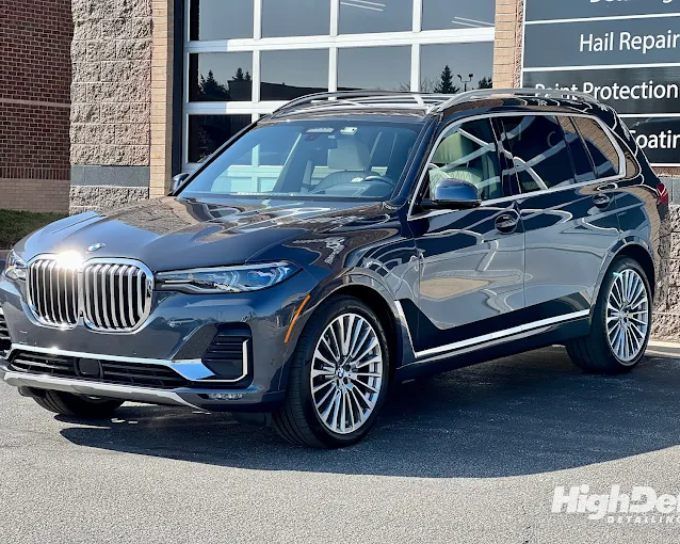
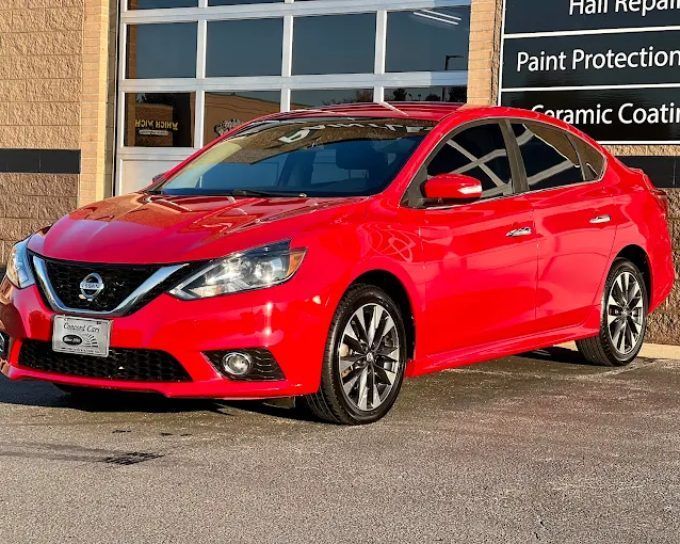
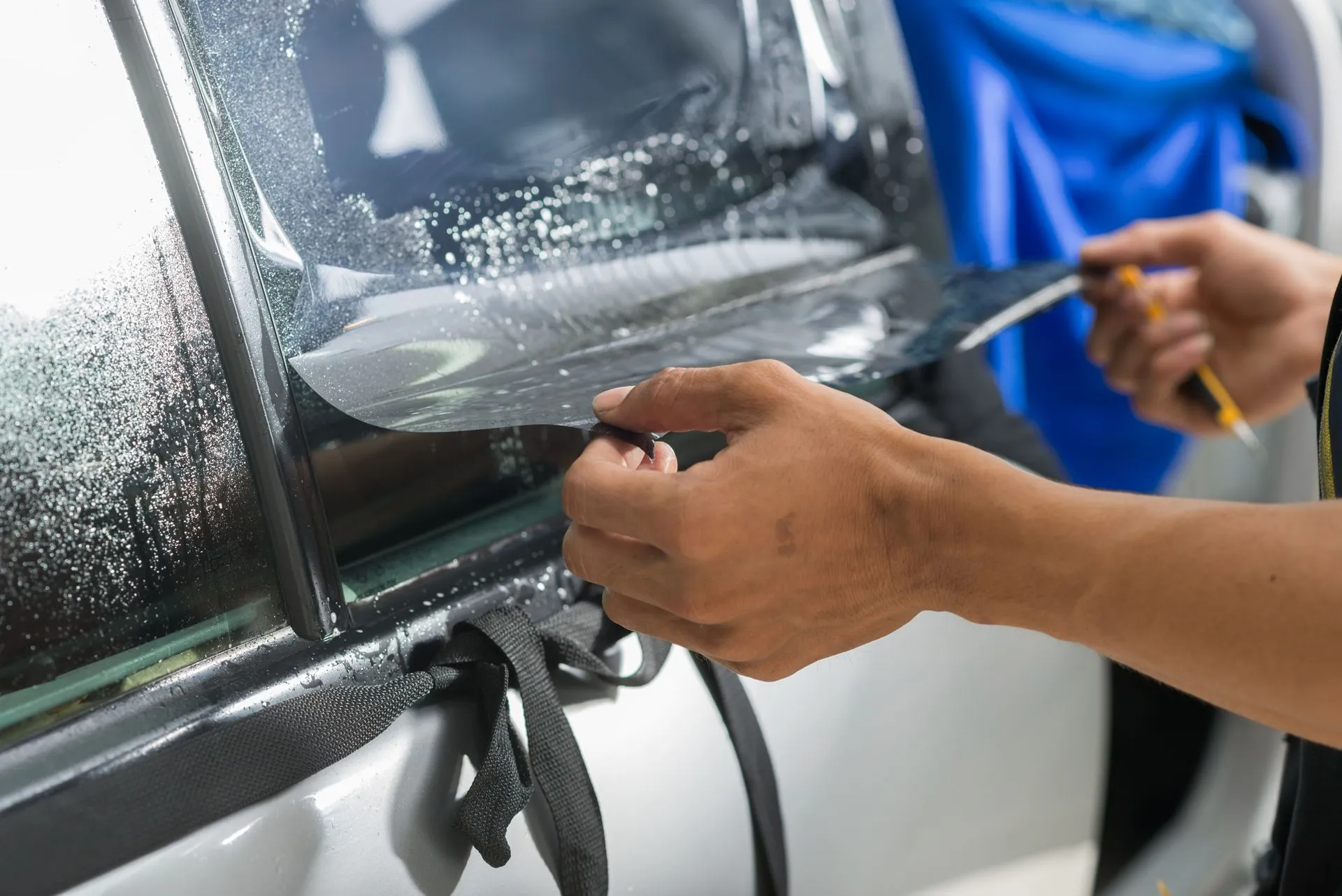
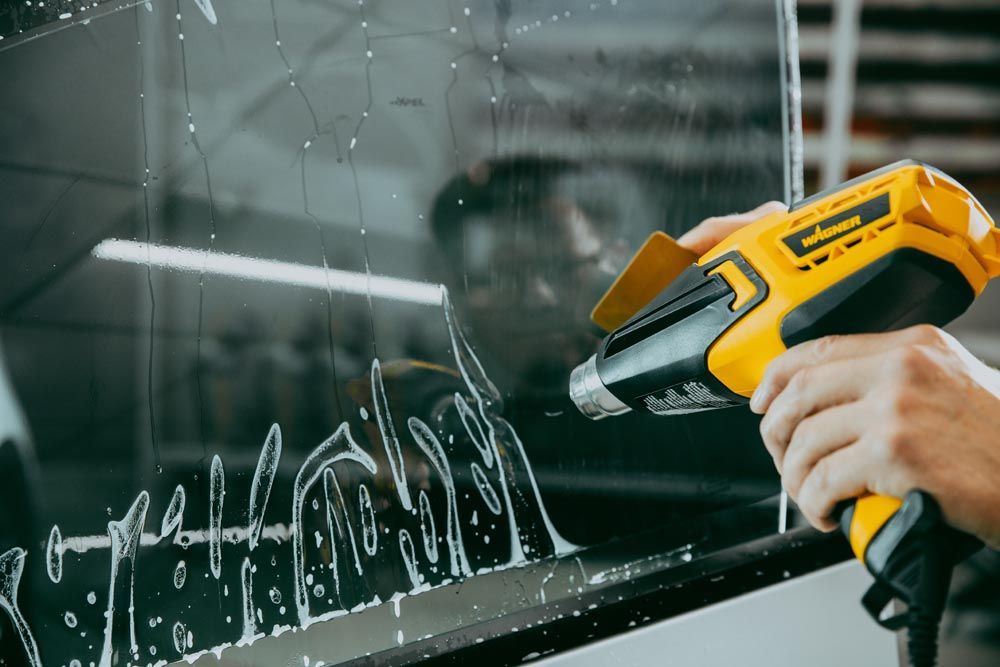
Even the best film only performs when it is installed correctly. Clean preparation, precise measurement and cutting, and careful application are what prevent the bubbles, peeling, and hazing that ruin a rushed job. Curved glass on modern vehicles takes real skill to wrap cleanly, and fresh tint needs time to cure before you roll the windows down. At High-Def Detailing in Elkhart, we handle every step with the care and communication our customers count on, and we send you off knowing exactly how to care for your new tint.
Making a Confident Choice
The right window tint comes down to matching a film's strengths to your priorities, your vehicle, and your local roads. Know the difference between carbon and ceramic, factor in the heat, sun, and glare you actually face, and lean on a professional to keep it legal and flawlessly installed. Do that, and you will enjoy a cooler, more comfortable, better-protected drive for years.
Ready to find the right tint for your vehicle? Call us at
(574) 333-9976 or fill-out our
online form to get your free quote today, and we will help you choose a film that fits your needs, your budget, and your roads.
Frequently Asked Questions
Should I choose carbon or ceramic?
Both block heat and UV rays, cut glare, and resist fading. Carbon is the strong-value choice that covers the essentials well, while ceramic offers the highest heat rejection, UV protection, and clarity for drivers who want the best and plan to keep their vehicle.
Will window tint interfere with my phone or GPS?
No. Both carbon and ceramic films are metal-free, so they will not disrupt your GPS, radio, or cell signals.
Which film is best for heat and UV protection?
Ceramic offers the strongest heat rejection and blocks the majority of UV rays, with carbon close behind. Both help keep your cabin cooler and protect your skin and interior from sun damage.
Is darker tint always better?
Not necessarily. Darker film adds privacy but can reduce nighttime visibility, and it may exceed your state's legal limit. The best choice balances comfort, visibility, and the law.