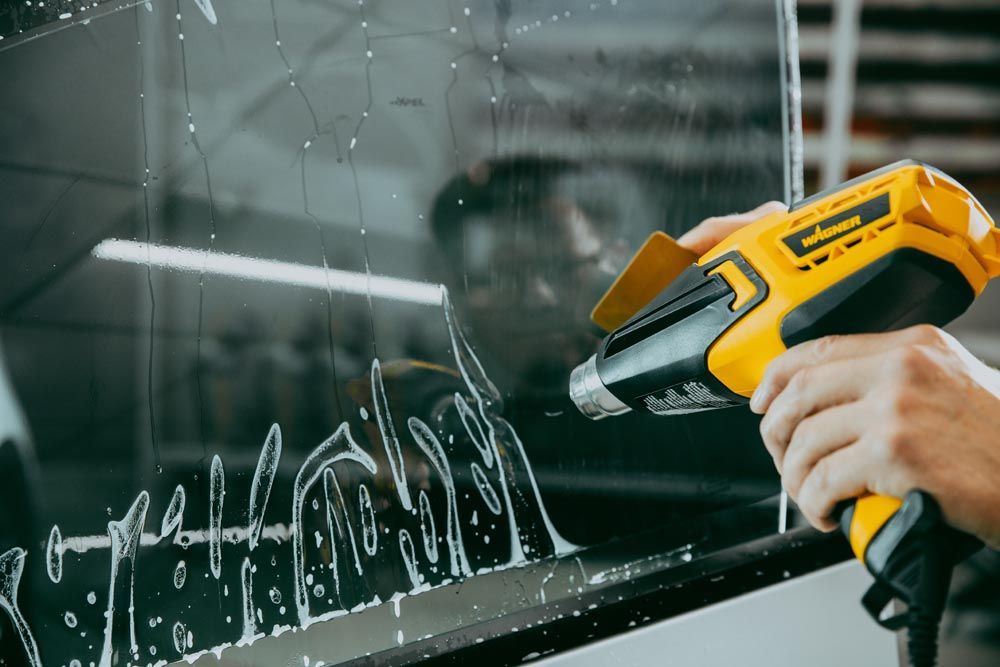
The Complete Guide to Paint Protection Film Coverage Options
If you drive the roads of Southwest Michigan, you know what they do to a vehicle. Between gravel shoulders, winter road salt, and the long highway stretches connecting towns like Sturgis and Niles, your paint takes a beating most drivers never think about, at least not until the first chip shows up. That's where paint protection film (PPF) comes in.
But here's what many drivers get wrong: PPF isn't a one-size-fits-all product. The smartest approach isn't wrapping everything or guessing. It's identifying which areas of your vehicle deserve protection based on how and where you actually drive. This guide covers the most impact-prone zones, explains how your vehicle and habits shape the right plan, and shows why a professional assessment makes the difference between spending smartly and spending blindly.
The Zones That Take the Most Punishment
Not all panels wear equally. A handful of areas absorb the majority of real-world damage, and those are where film earns its keep first.
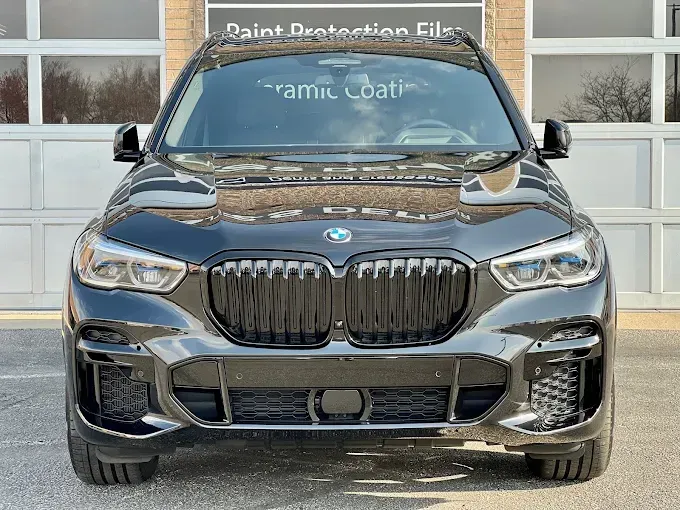
The hood and front bumper take the brunt of everything the road throws forward: stones, gravel, salt spray, and bug splatter at highway speed. On routes like US-12, debris kicked up by the vehicle ahead lands squarely here. An early chip on the hood is one of the most common paint repairs, and one of the most preventable. For most Southwest Michigan drivers, this is where protection matters most.
Side mirrors are small, exposed, and constantly in the line of fire, getting sandblasted by the same debris that hits the front end from multiple angles.
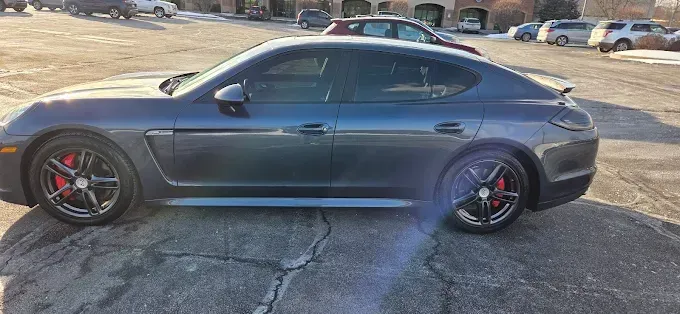
Rocker panels are the unsung casualties of Michigan winters. Sitting low and just behind the wheels, they get hammered by kicked-up salt, slush, and gravel all season long. Left unprotected, this is where corrosion and chipping tend to start.
Headlights and door edges round out the list. Headlights can yellow or crack over time, while door edges and cups take chips from tight parking and everyday use.
How Your Vehicle and Driving Habits Shape the Plan
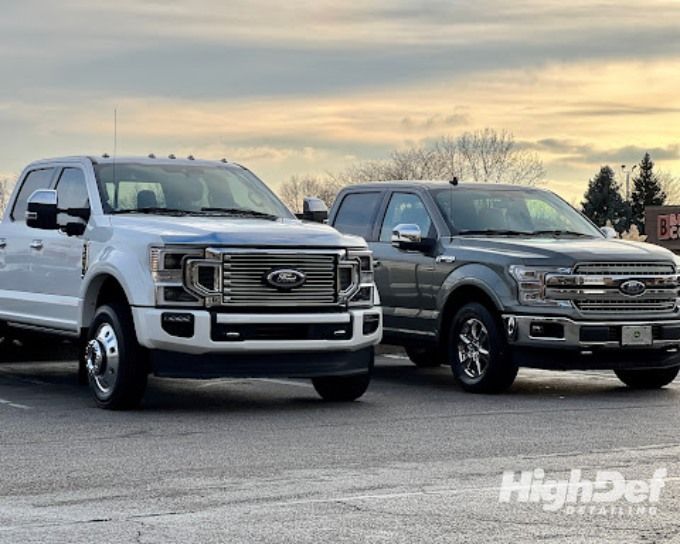
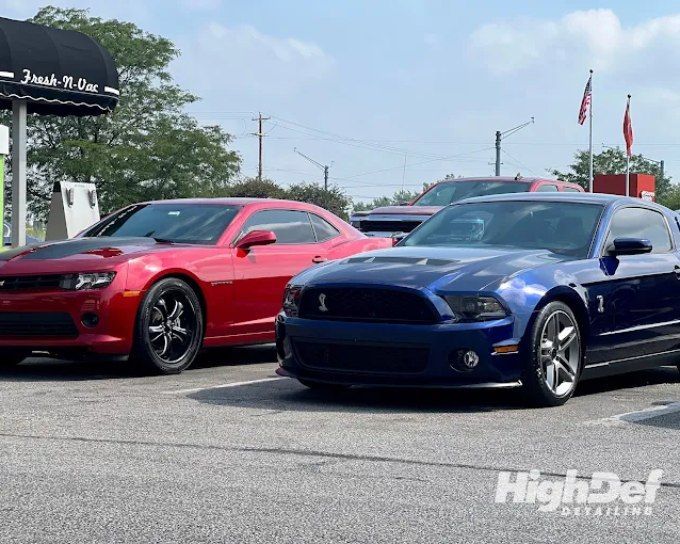
Two drivers can own the same car and need completely different coverage. The right plan comes down to real-world exposure.
The daily highway commuter logging miles between towns needs the front end prioritized, because the hood, bumper, fenders, and mirrors absorb high-speed debris day after day.
The tight-space city parker faces different risks. Door edges, cups, and bumpers see more scrapes from other cars, carts, and keys than from road debris.
The winter warrior whose vehicle lives outside should move rocker panels and lower panels up the list, since salt and slush are the biggest enemies.
The luxury, performance, or collector owner, or anyone keeping a vehicle long-term, often benefits from full-front or full coverage. Beyond protecting individual zones, full coverage keeps the entire vehicle aging evenly, so protected and exposed panels don't weather at different rates.
The takeaway: your driving life should dictate your coverage, not a generic package.
Why Professional Assessment Matters
Most PPF conversations jump straight to installation. But the most important step happens before any film is cut, and that's the assessment.
A professional assessment means someone who understands both the film and the region walks your actual vehicle with you and asks the right questions. How far is your commute, and on what roads? Does the vehicle sit outside through winter? Is this a keep-it-forever vehicle? Where does this make and model tend to show wear first? The answers shape a plan built around your reality rather than a one-size-fits-all menu.
This matters for two reasons. First, it prevents overspending on coverage you don't need while making sure the zones that genuinely take damage aren't left exposed. Second, every make and model has its own quirks, including body lines and high-wear spots that aren't always obvious to the eye.
At High-Def Detailing, this consultative approach is central to how we work. As an owner-operated studio, we take the time to understand your vehicle and your driving before recommending anything, because the goal isn't to sell you the biggest package. It's to protect your investment intelligently.
Coverage Options, From Targeted to Total
Once you know where your risks are, choosing a coverage level is straightforward.
Partial front-end coverage targets the most vulnerable areas: bumper, partial or full hood, fenders, mirrors, and headlights. It's an accessible, strategic choice for the everyday driver, and a natural starting point for many of our clients.
Full front coverage extends across the entire front-end panels for more complete defense against highway debris, making it a strong middle ground for drivers who log serious road time.
Custom and add-on coverage protects specific trouble spots, like rocker panels for the winter driver or door edge guards for the tight-space parker.
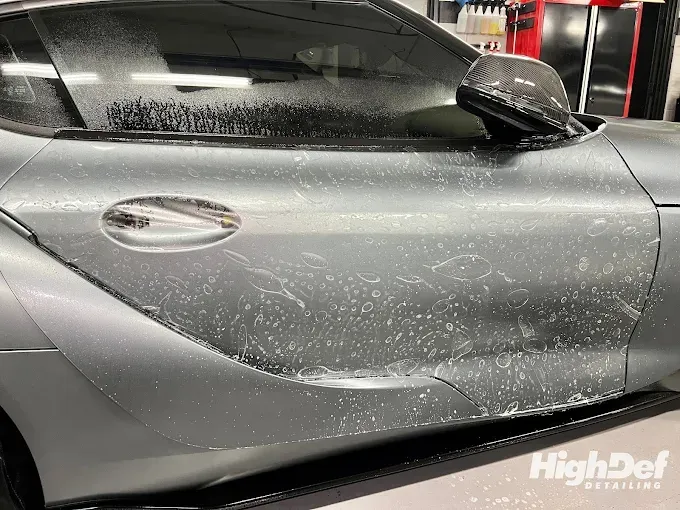
Full vehicle coverage wraps every painted surface for the most complete protection available, ideal for luxury and collector vehicles or any owner who wants total peace of mind.
Because the right combination depends on your vehicle and how you drive, the best way to land on a plan, and an accurate price, is a personalized quote rather than a number off a chart.
What Quality PPF Actually Does for You
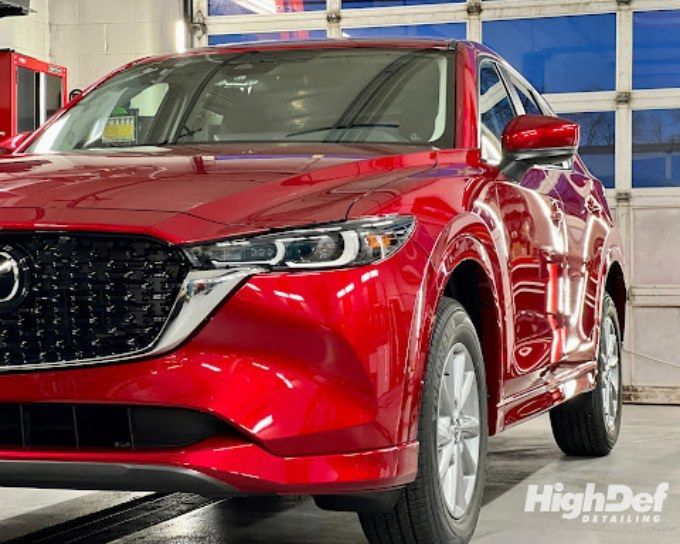
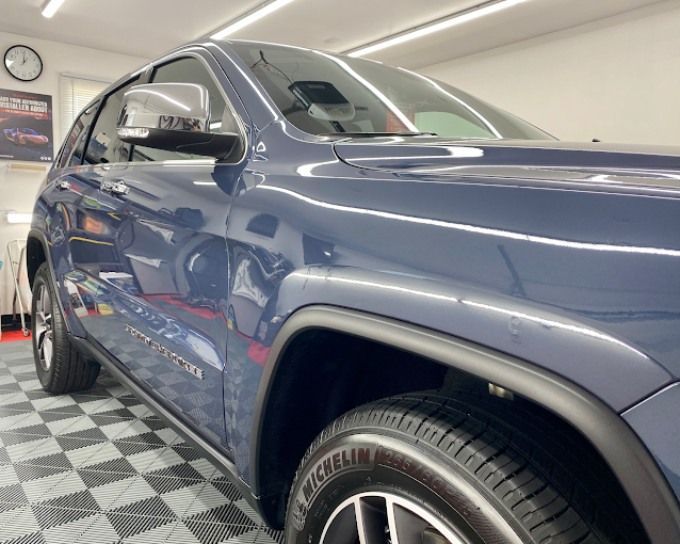
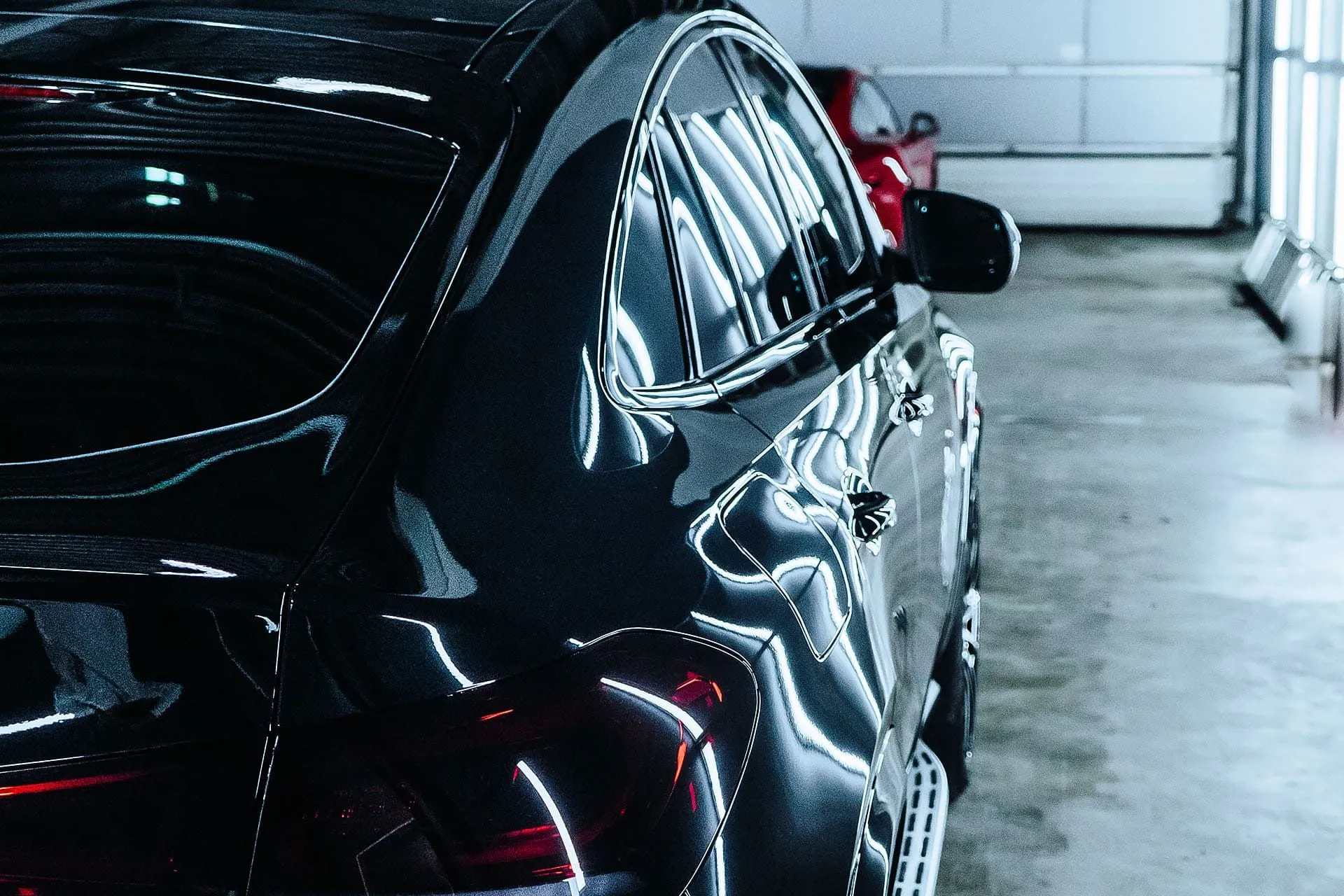
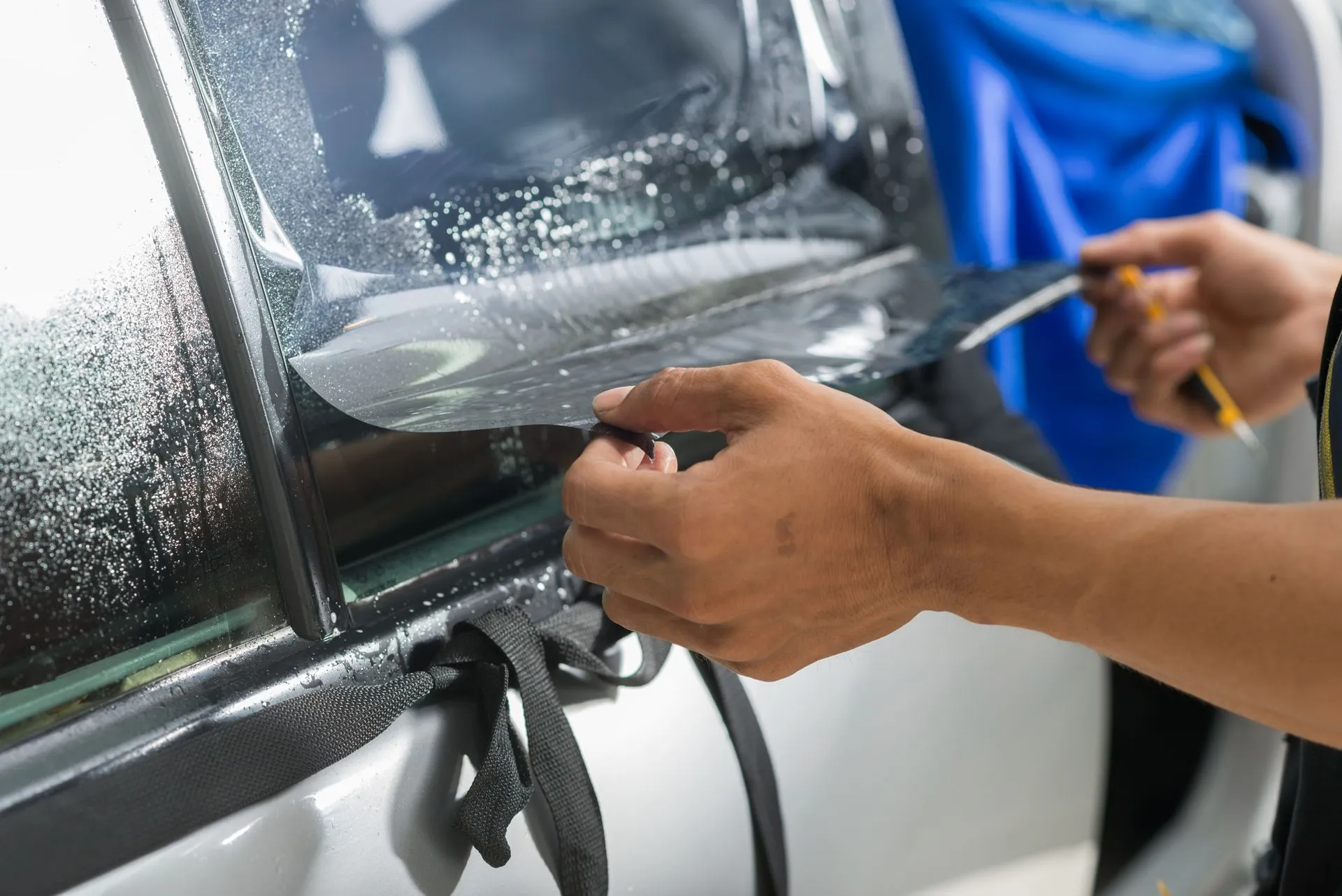
Whatever coverage you choose, quality film delivers real benefits. It works like clear armor, absorbing impacts from gravel and debris that would otherwise chip your paint. The self-healing properties of premium film mean minor scratches and swirl marks can fade with warmth from the sun or a warm rinse.
Good film also includes UV inhibitors that guard against fading and oxidation, plus a hydrophobic surface that makes dirt easier to rinse away. The premium film we install carries a ceramic-infused topcoat that repels contaminants and helps preserve a glossy finish, backed by a manufacturer-supported warranty against issues like yellowing, bubbling, and delamination. Pairing PPF with a ceramic coating pushes water repellency and gloss even further.
By keeping your factory paint pristine, PPF also helps protect your vehicle's appearance and long-term value.
Protection Built Around How You Drive
Paint protection film is at its best when approached as a customized, strategic investment. The right coverage isn't about wrapping everything or copying what a friend did. It's about matching protection to the real-world exposure your vehicle faces on Southwest Michigan roads. Know your high-risk zones, factor in how and where you drive, and let a professional map it to your specific vehicle. Do that, and every dollar goes exactly where it does the most good.
Ready to build a plan that fits your vehicle and your roads? Call us at
(574) 333-9976 or fill out our
online form to get your free quote today, and we'll help you protect what matters most.
Frequently Asked Questions
Which areas should I protect first?
For most drivers, the front end (hood, bumper, fenders, and mirrors) is the priority, since it absorbs the most high-speed debris. If you drive salted winter roads, rocker panels move up the list.
What areas can be covered with PPF?
Nearly every visible painted surface, from the bumper, hood, and mirrors to door edges, rocker panels, and full-body wraps.
How do partial, full, and custom coverage differ?
Partial targets high-impact zones for focused, budget-friendly protection. Full wraps the entire vehicle for the most complete defense and consistent aging. Custom sits in between, tailored to your trouble spots and budget.
Why does professional assessment matter if I already know what I want?
Every make and model wears differently, and your habits shape where damage occurs. An assessment makes sure you protect the zones that genuinely take the hits, without paying for coverage you don't need.