How Long Does Paint Protection Film Really Last? Ultimate Guide to Film Lifespan and Care
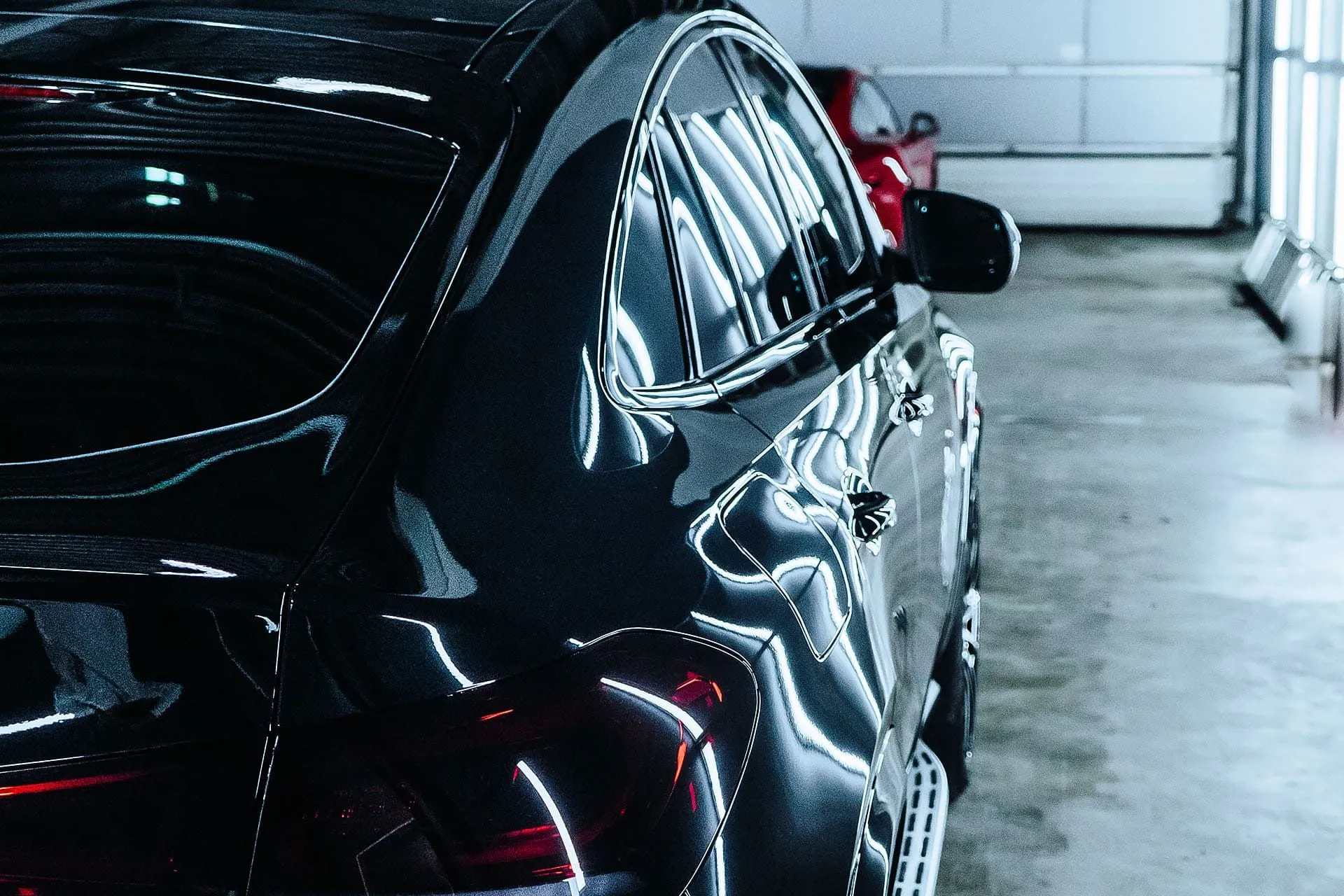
When you invest in paint protection film, you're betting on a nearly invisible shield to keep your car looking fresh for years. But how long can you really expect that shield to last before cracks, yellowing, or peeling creep in? The truth isn't as simple as a fixed number because paint protection film's lifespan depends on everything from the material it's made of to how and where you drive and the care you give it. Let's dig into what really affects its durability and how you can make sure your car stays covered for as long as possible. Paint protection film typically lasts between 5 and 10 years, with premium brands claiming up to a decade of durability under ideal conditions. Longevity depends heavily on factors such as maintenance, environmental exposure, storage conditions, and proper installation practices.
Understanding Paint Protection Film
Paint protection film, often abbreviated as PPF, is essentially a thin, flexible shield composed primarily of thermoplastic urethane. This material is engineered not just to cover your car's paintwork but to absorb the everyday impacts that can chip or scratch the surface. Unlike a simple wax or sealant, PPF forms a physical barrier that stands up to road debris, tiny stones, and even chemical contaminants like acid rain or bird droppings. Such resilience comes from its thickness, which balances durability with invisibility. What really sets modern PPF apart is its self-healing topcoat. Imagine tiny scratches fading away after just a few minutes in ambient warmth; this happens because the film's surface reacts and smooths itself out when exposed to heat above roughly 70°F (21°C). This feature significantly extends the aesthetic lifespan of your car's exterior and is especially valuable for drivers confronting daily exposure to abrasive conditions.
However, the ultimate durability of PPF depends heavily on multiple factors beyond just material science. Environmental influences such as prolonged sun exposure accelerate UV degradation, approximately diminishing protective properties by 1 to 2 percent per year under direct sunlight, which can cause films to yellow or harden prematurely if left unprotected. That is why storing your vehicle in a garage or shaded area can dramatically prolong film life. Maintaining the film properly also plays an indispensable role. Regular washing every one to two weeks using gentle methods and dedicated PPF-safe products prevents grit buildup, which can otherwise settle beneath dirt layers and increase the risk of surface wear.

Factors Influencing Durability
One of the single biggest forces working against your paint protection film is the environment where your car lives and breathes. Sunlight, rain, temperature swings, and salty ocean air are all relentless agents that break down materials over time. UV rays in particular cause the film's polymers to degrade gradually, leading to yellowing or brittleness that shortens its lifespan. For example, a vehicle parked outdoors under direct sun year-round can see its film age 20 to 30 percent faster than a similar car stored in a shaded or garage environment. Coastal regions add another layer of challenge because salt particles carried by the wind onto your car's surface increase chemical wear and corrosion risk, degrading the film as well as the underlying paint.
However, garage storage drastically reduces environmental exposure, shielding the film from harmful UV rays and moisture cycles. Even covering a vehicle parked outside during extended periods offers valuable protection. Some owners apply specialized sealants on top of their PPF to create an extra layer of defense against environmental damage. Regular use of spray-on sealants designed for PPF can preserve its clarity and self-healing characteristics, potentially extending its effective lifespan by up to 30 percent.
Quality of Installation
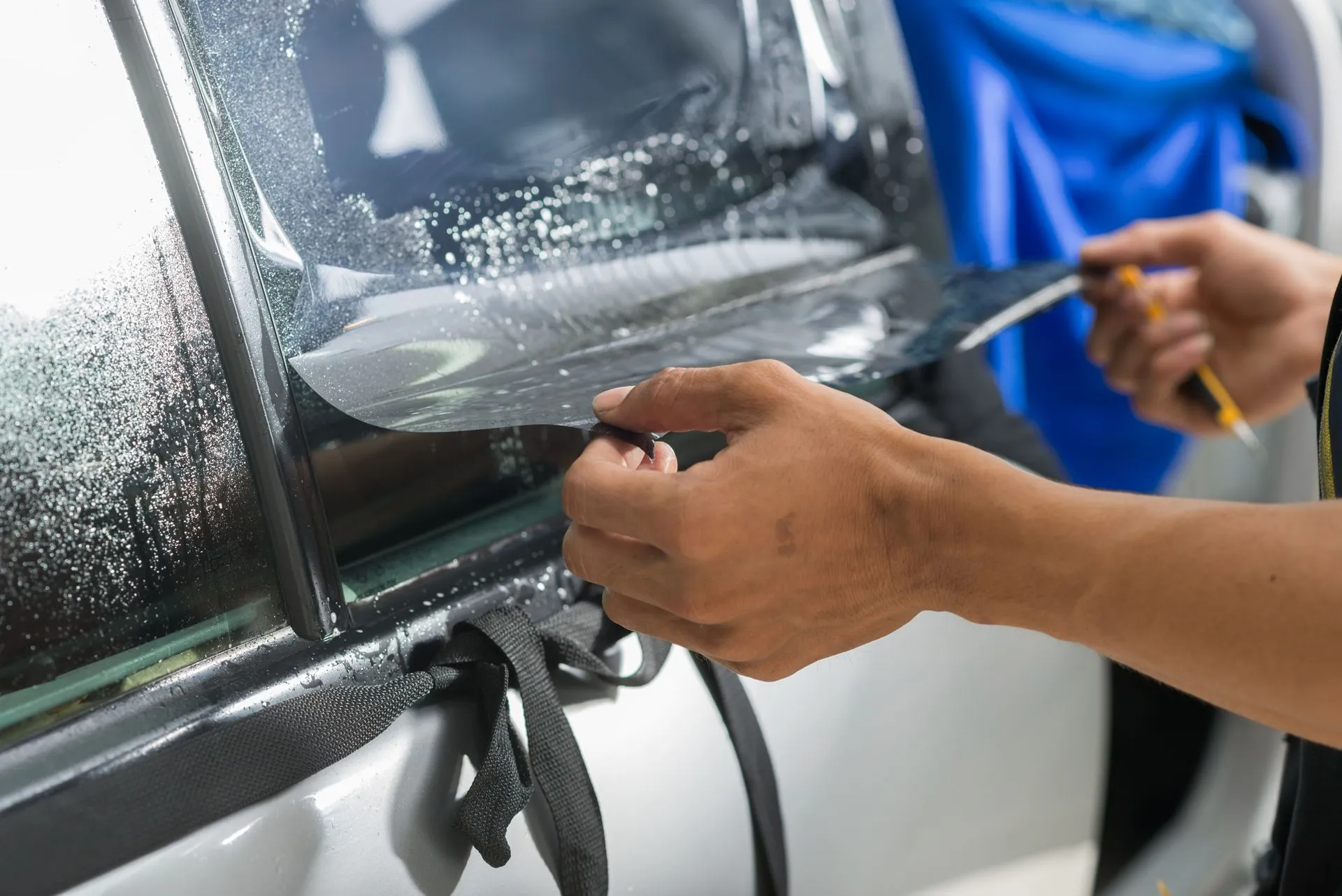
You can buy the most premium paint protection film on the market, but if it is improperly installed, its lifespan will suffer dramatically. The quality of the application affects everything from adhesion strength to resistance against peeling or bubbling around edges, common failure points if installers rush or lack expertise. Professional installers with certified training invest hours meticulously aligning panels, smoothing out air pockets, and trimming edges so the film bonds seamlessly. Choosing a skilled installer is one of the smartest investments you can make, as their expertise reduces premature failures and ensures easier removal later. In contrast, DIY attempts often lead to wrinkles, trapped dust beneath the film, or poor edge sealing, all of which contribute to a shorter life cycle.
Type of Film
Much like any technology evolving with time, paint protection films vary widely in their formulation and capabilities. The difference between lower-end films and high-tier products is not just price but also material science advancements such as self-healing topcoats that erase minor scratches after heat exposure, enhanced UV blockers that prevent discoloration, and increased thickness for durability against rock chips. Premium films claim up to 10 years of service life under optimal care conditions due to these advanced features, while cheaper films might begin yellowing or cracking after only 3 to 5 years.
Impact of Road Conditions
Paint protection film is designed to shield your car's paint from everyday hazards, but the condition of the roads you drive on plays a huge role in how quickly your film ages. Frequent impacts from gravel or loose debris literally batter the film's surface, causing tiny abrasions and micro-scratches that accumulate over time. While PPF can generally withstand such hits without puncturing, repeated assaults hasten its breakdown, making early signs of wear like yellowing or brittleness more common after just 3 to 5 years on rougher terrains.
Road grime and tar are other silent enemies that build up on PPF surfaces, dulling their optical clarity if not cleaned regularly. Over time, this grime doesn't just look bad; it actually degrades the protective topcoat of the film itself, leaving it more vulnerable to damage beneath. Winter adds yet another layer of challenge. The salt and chemicals used to clear snow create an especially aggressive environment for your paint protection film, making the film more brittle and prone to cracking much sooner than in milder climates. That's why storage habits like garaging your vehicle or covering it during extended outdoor parking become vital steps to protect your investment. To extend your film's life amid tough road wear, experts recommend frequent visual inspections starting around year five to catch early signs of damage and yellowing.

Effective Maintenance Strategies
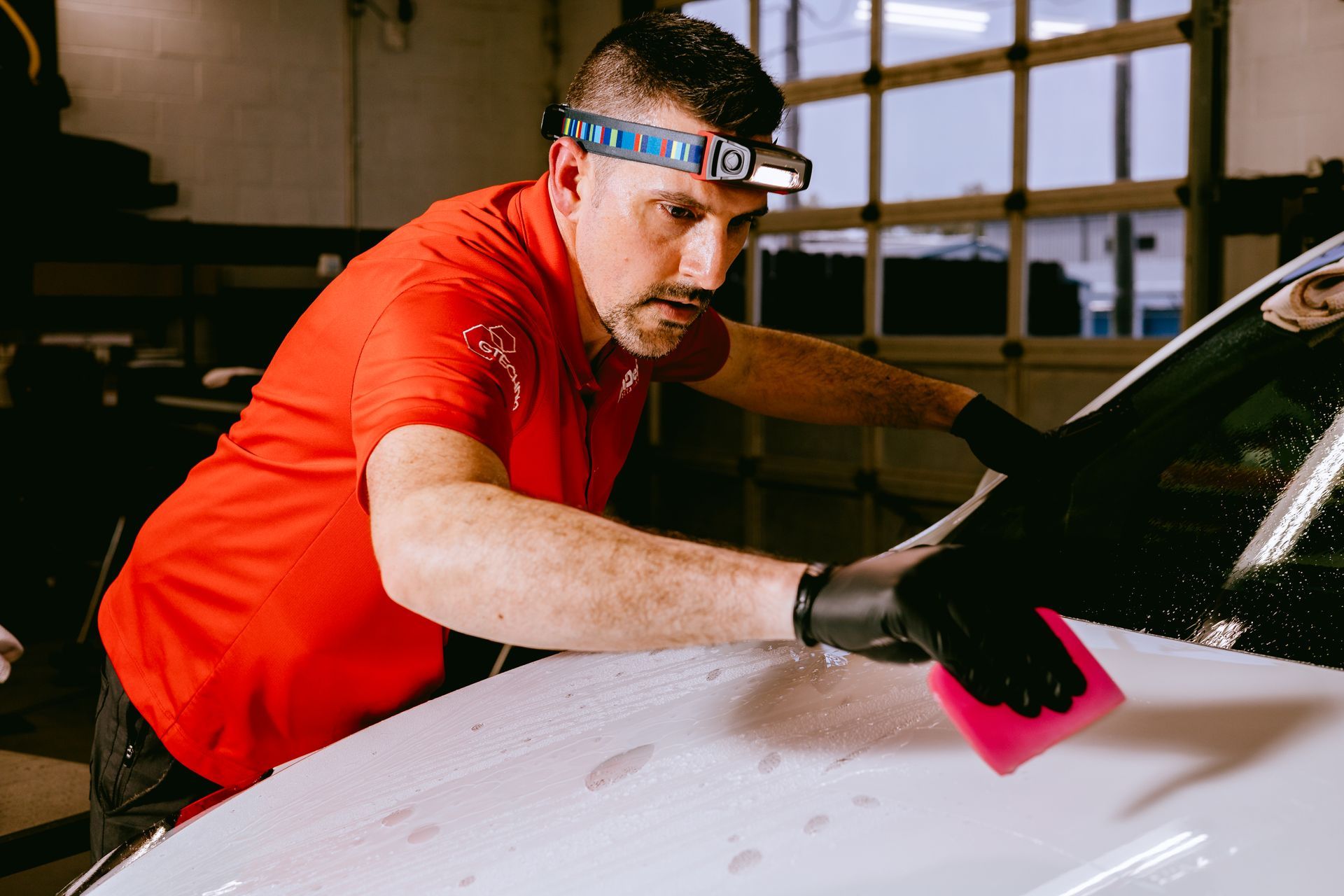
Maintenance plays a pivotal role in maximizing the lifespan of PPF; regular attention is not just helpful, it is essential. One of the most straightforward yet effective habits you can adopt is routine cleaning. Performing gentle washes every one to two weeks removes dirt, road salt, bird droppings, and other contaminants before they have the chance to degrade the film's surface. It is important to use a pH-neutral automotive shampoo because harsh detergents or household cleaners can weaken the film's protective qualities. While washing, avoid directing high-pressure water sprays at the film edges, as this can cause lifting or peeling over time.
Beyond basic washing, adopting a structured drying and detailing approach protects the finish further. Quality microfiber towels should be used immediately after rinsing to absorb moisture without scratching. For areas that towels cannot reach, such as around mirrors and door handles, using a gentle air blower prevents water spots and mineral deposits that dull clarity. After drying, applying a PPF-compatible spray detailer adds an additional layer of protection by enhancing water-repelling effects, which helps water bead and run off more easily.
Another maintenance habit worth highlighting is the periodic application of sealants specifically formulated for paint protection film. These products form a thin protective barrier that shields against UV rays, environmental fallout, and minor abrasions. Sealing your PPF every six months can significantly extend its effectiveness by maintaining gloss and strengthening durability. The best results come from combining these effective maintenance strategies: gentle routine washing, careful drying and detailing, biannual sealant application, and vigilant inspections with prompt repairs when necessary. With this level of attentive care, paint protection film installed today can maintain its virtually invisible shield for seven years or even longer depending on driving conditions.
Top PPF Protection in Goshen, IN
Ready to keep your vehicle looking its best for years? High-Def Detailing in Goshen, IN delivers top-tier paint protection film services designed to help your car withstand sun exposure, harsh weather, gravel impact, and everyday wear. Our skilled installers use advanced film technology and meticulous application methods to ensure long-lasting clarity, durability, and seamless coverage across every panel. Whether you drive daily highways or rough backroads, our PPF solutions give your vehicle the defense it deserves while preserving its showroom shine.
Contact High-Def Detailing today to experience premium protection crafted for the way you drive!