Choose the Right Window Tint Shade for Your Driving Lifestyle to Improve Comfort and Protection
When it comes to window tinting your car, picking the right shade isn't just about making your vehicle look cool. It's a choice that affects how comfortable you feel on hot days, how well you can see at night, and even how much privacy and protection you get while driving. With so many options and rules out there, it helps to understand how different tints work and what suits your daily driving habits best. To choose the right window tint shade for your driving lifestyle, consider factors such as your typical driving conditions, desired privacy level, climate, and local legal restrictions. For example, if you frequently drive at night, opt for a lighter tint (50%-70% VLT) to maintain visibility, whereas darker tints (5%-20% VLT) offer maximum privacy and heat reduction but may reduce nighttime visibility and could be restricted on front windows in many states.
Understanding Window Tint Options
Window tint shades are fundamentally defined by their Visible Light Transmission percentage, or VLT%. This number tells you how much light your windows will let through the tint. The lower the VLT%, the darker the tint and the less light passes through. Darker tints such as 5% VLT, often called limo tint, create near-total privacy by letting only five percent of visible light through. While this grade is great for blocking out prying eyes and cutting down glare on bright days, it can drastically reduce visibility during night driving or in poorly lit areas, making it unsuitable for front windows in many regions.
Moving up to about 20% VLT gives you solid privacy with marginally better visibility. This level is popular for rear windows, where privacy tends to be a priority, and legal limits typically allow darker shades there compared to front windows. This shade still effectively reduces glare and heat while remaining safe for most daylight driving situations. Perhaps the most versatile option is 35% VLT. This shading strikes a comfortable balance that appeals to drivers wanting some privacy while maintaining excellent nighttime visibility and style. It offers respectable heat rejection and cuts UV rays without turning your vehicle into a dark box. Because of these benefits, 35% is often recommended as a front window tint where legislation allows it. On the lighter end of the spectrum, the tints are around 50% VLT. These cast just a subtle shadow on your glass, making them ideal if clear vision remains your top priority, but you still want a modest reduction in sun glare and UV exposure. This shade often fits perfectly within legal restrictions nationwide, especially for front windows, because it barely compromises night driving safety.
Quality Over Darkness
Beyond just choosing how dark you want your tint to be, one crucial factor is the quality and technology incorporated into the film itself. You might assume darker tints block more heat, but the truth is that advanced ceramic or nano-ceramic films outperform dyed or metalized films when it comes to reflecting infrared heat regardless of darkness. Even a lighter shade made with high-end ceramic technology can keep your cabin cooler than a much darker conventional film. Ceramic films also offer superior protection against harmful UV rays, which guards both your skin and vehicle interior from sun damage. When selecting your tint shade, consider not only how dark it is but also what kind of film technology is used. A well-chosen film can make all the difference in combining comfort with safety. Choosing a premium ceramic tint at 35% VLT achieves a sweet spot by maintaining visibility, reducing heat and glare significantly, and abiding by legal requirements.
Navigating Legal Guidelines
Window tint laws are not just suggestions; they're enforceable rules that vary widely from state to state. These laws primarily focus on how much visible light transmission (VLT) your window tint allows, essentially dictating how dark your tint can be while still being street-legal. Some states require front-side windows to allow over 70% of light through, meaning very light tints, while others permit much darker films that reduce visibility to as low as 25%. This variation exists because each region balances safety concerns, like driver visibility and law enforcement access, with the comfort and privacy benefits tinting provides.
Beyond darkness level, many states regulate tint color and reflectivity. Bright colors such as red or blue and mirrored finishes are frequently banned because they can distract other drivers or impede law enforcement visibility. Reflectivity limits also prevent highly reflective films that function almost like mirrors, potentially creating hazards on the road. Always pair your personal preferences with the legal realities of your location. Choosing a legally compliant film doesn't mean sacrificing all benefits; instead, it ensures you enjoy protection from harmful UV rays, reduced glare, enhanced privacy, and lowered interior heat, all without risking fines or forced removal.
Matching Tint to Your Lifestyle
Your daily routines shape which window tint works best for you. The difference between day and night driving alone can fundamentally change your requirements. If you spend most of your time behind the wheel during bright daylight hours in hot climates, selecting a darker tint makes sense. These darker tints excel at cutting glare and reducing interior heat. They act as a shield, filtering out intense sunlight that would otherwise strain your eyes and bake your car's interior. This improves comfort and helps preserve your vehicle's upholstery from fading and cracking. However, this advantage becomes a potential disadvantage after sunset. When darkness sets in, very dark tints can make seeing the road more difficult, leading to dangerous driving conditions, particularly in poorly lit areas or during inclement weather.
Lighter tints (around 35% to 50% VLT) provide a safer balance, allowing enough natural light to maintain clear visibility without sacrificing too much sun protection during the day. Drivers who often navigate urban streets or rural roads at night tend to find these lighter shades safer and less fatiguing. When deciding on tint shades, consider your climate as well. In hot regions, darker ceramic or nano-ceramic films provide superior heat rejection without excessive darkening, offering comfort during long daytime drives. Conversely, cooler climates or mixed driving schedules may call for medium tints that balance functionality with aesthetics.
Key Benefits of Window Tinting
One of the most tangible advantages of window tinting is its ability to protect you and your vehicle from the harsh effects of sunlight. Window tints act as a shield by blocking harmful ultraviolet rays. This means your skin gets less exposure, reducing risks like sunburn and long-term skin damage. At the same time, your car's interior stays looking newer for longer because fading and cracking from UV damage slow significantly. Beyond protection, tints also enhance comfort on hot days. By cutting down on solar heat gain inside your vehicle, window tints help keep your cabin noticeably cooler without cranking up the air conditioning as much. This translates into improved fuel efficiency, saving you both money and reducing environmental impact.
Additionally, tinting reduces glare caused by intense sunlight reflecting off other cars or surfaces, a frequent annoyance on busy highways or bright mornings. Drivers find it easier to keep their eyes focused without squinting or reaching for sunglasses constantly, which enhances safety during long journeys. Furthermore, darker tints provide a level of privacy that adds an extra layer of security for drivers and passengers alike. While no tint guarantees complete protection against theft, a well-chosen shade obscures valuables effectively enough to act as a deterrent. Many tint films are also designed to hold shattered glass together if a window breaks during an accident or attempted break-in, reducing injury risk from flying shards.

Ensuring Quality Installation
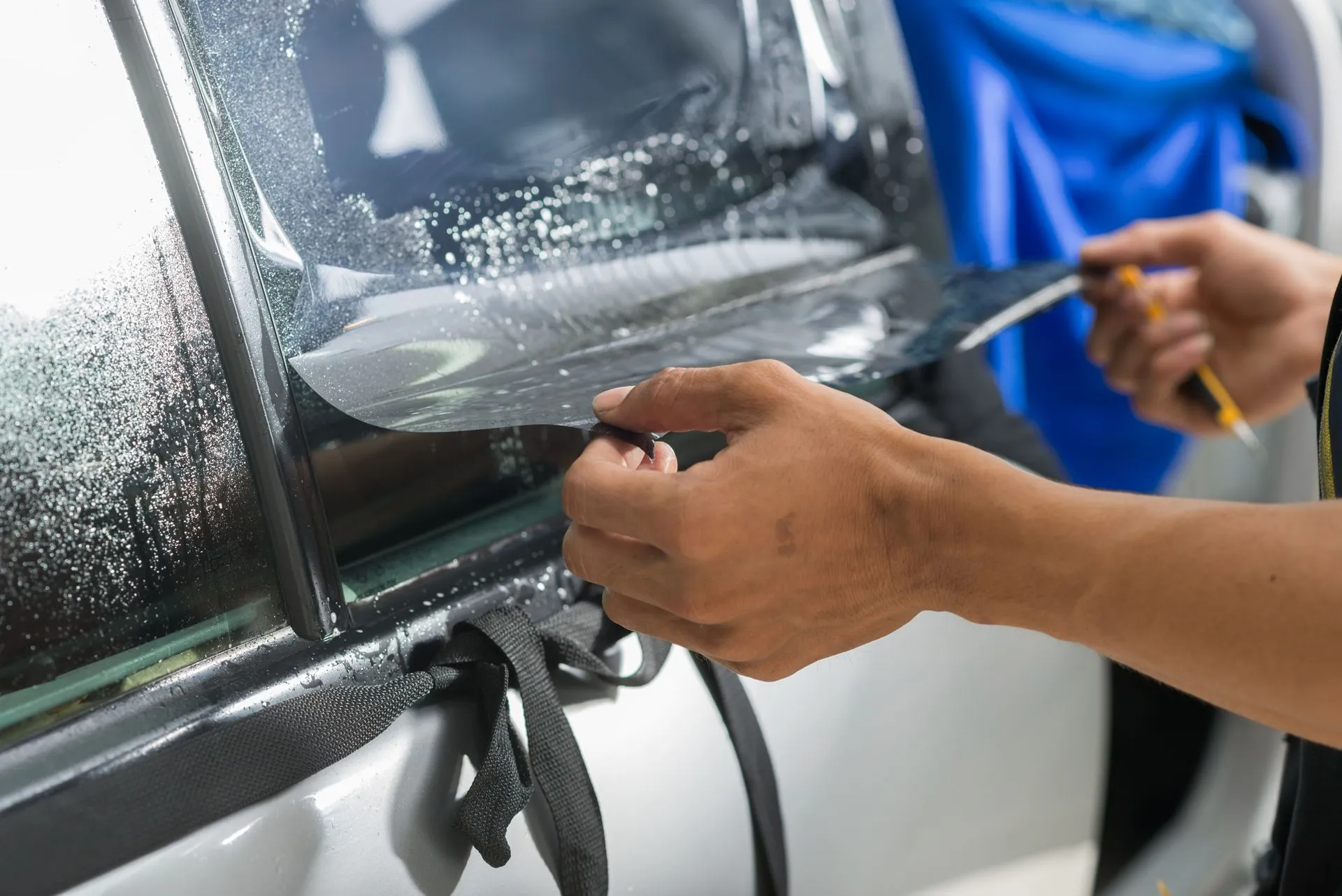
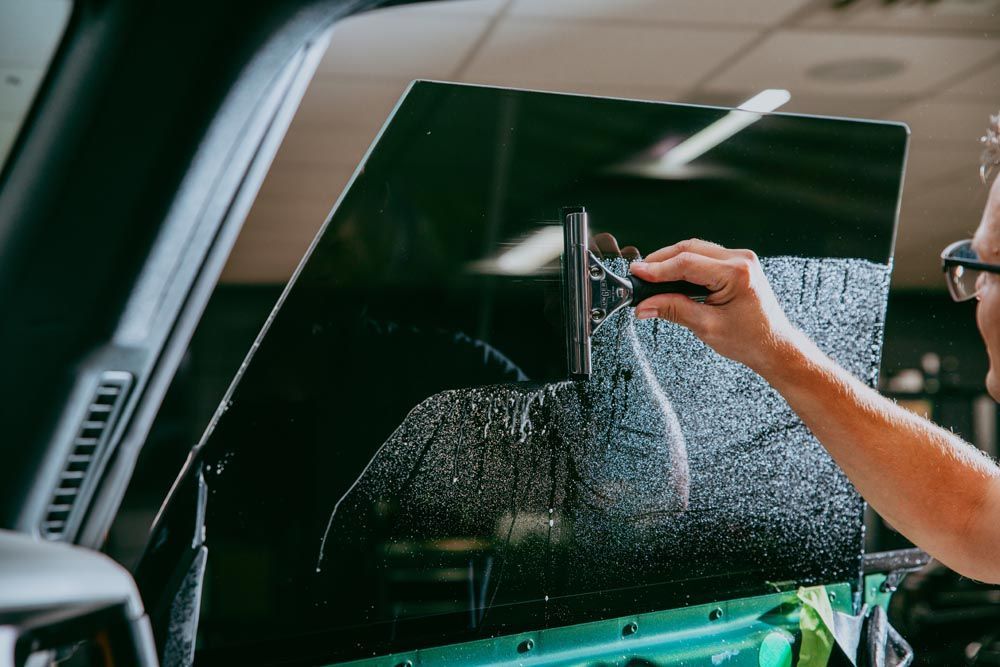
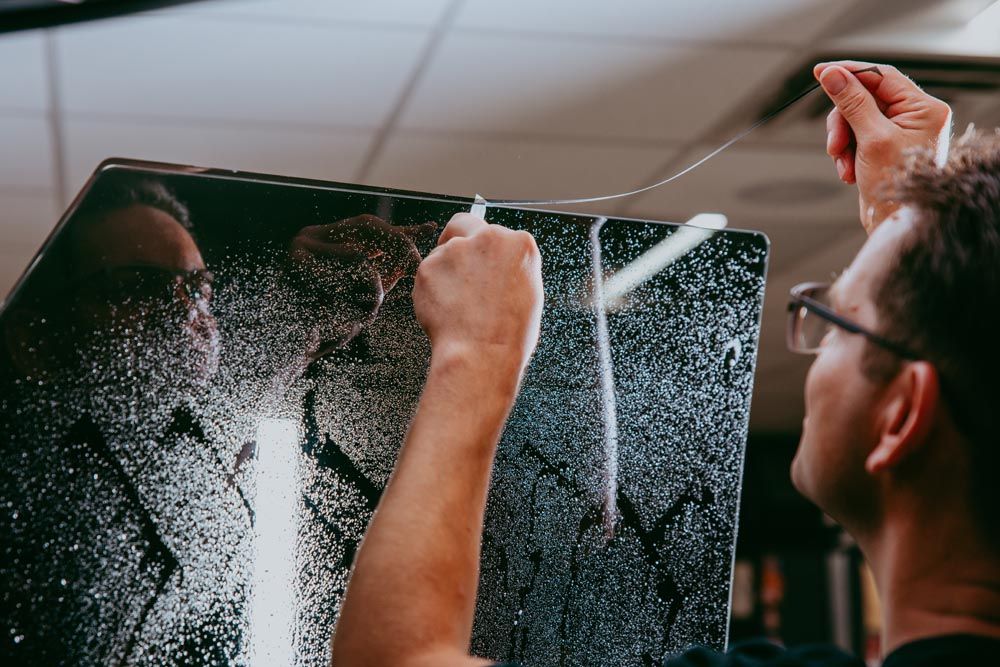
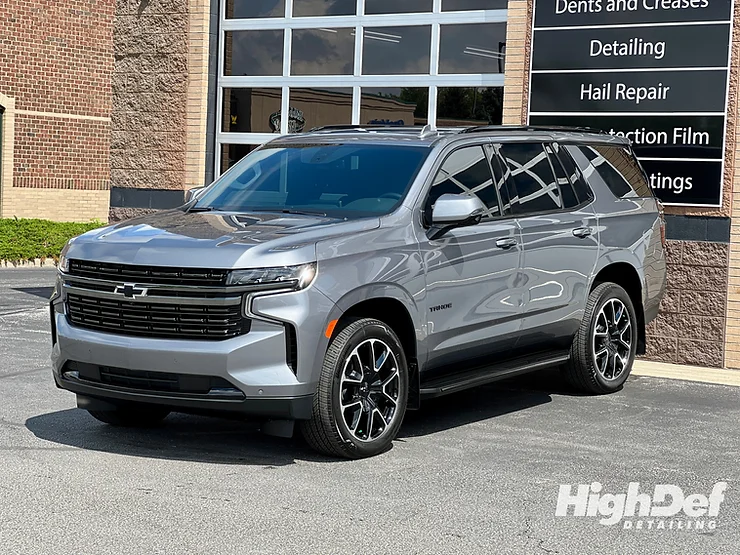
Achieving a flawless window tint job goes far beyond simply sticking film on glass; it requires skill, patience, and the right conditions. Professional installation is often the smartest choice because professionals bring not only experience but also a controlled environment that reduces common problems like air bubbles or creases, which can ruin both the look and function of your tint. A key factor in successful tinting lies in the preparation phase. The window surface must be meticulously cleaned to remove every trace of dust, dirt, or oil; even a tiny speck can disrupt adhesion and cause bubbling later. Maintaining an optimal temperature is also important because extreme cold or heat affects how well the film sticks and conforms.
When choosing an installer, look for technicians who offer warranties and consistently earn positive reviews for reliability and quality, such as High-Def Detailing. High-Def uses premium film options, including ceramic and carbon variants, which deliver stronger UV protection, improved heat rejection, and long-lasting durability. An experienced installer also understands Indiana’s tint regulations and will ensure your installation meets legal limits to prevent fines or forced removal. After your tint is applied, following proper care instructions is essential. Most shops recommend waiting at least 48 hours before rolling your windows down to allow the adhesive to cure, along with using gentle cleaning methods that avoid harsh chemicals. While DIY kits may seem cost-effective, professional installation provides better appearance, performance, and long-term peace of mind. A professionally installed tint enhances driving comfort, protects your interior, and keeps you compliant with local laws, making it a smart investment for safer and more enjoyable time on the road.
Window Tint Solutions in Bristol, IN
Give your vehicle the comfort and protection it deserves with
professional window tinting from High-Def Detailing in Bristol, IN. Our team installs high-performance ceramic and carbon films that help reduce interior heat, cut glare, and protect your upholstery from UV exposure. Each tint is applied with precision to ensure a clean finish that meets Indiana regulations and enhances your driving experience in every season. Whether you want better temperature control or added privacy, High-Def Detailing delivers tinting solutions built for everyday performance.
Reach out today to upgrade your ride with quality you can count on!