Window Tinting Reduces Eye Strain in Daytime Driving: Benefits for Vision and Comfort
Driving under bright sunlight often means battling glare that tires your eyes and makes it harder to focus on the road. Many people don't realize how much this constant strain can affect their comfort and safety during daytime driving. Window tinting offers a smart solution that goes beyond just wearing sunglasses or adjusting sun visors. This simple upgrade cuts down harsh light, protects your eyes, and keeps you comfortable, making every drive easier on your vision.
Window tinting reduces eye strain during daytime driving by significantly cutting down glare from harsh sunlight and balancing light transmission inside the vehicle, which eases the constant adjustment your eyes must make. Additionally, quality tint films block harmful UV rays and reduce interior heat, preventing dryness and irritation while enhancing overall visual comfort and safety on bright days.
The Problem of Glare in Daytime Driving
When sunlight hits your windshield at certain angles, it scatters unpredictably, creating intense bright spots that overwhelm your eyes. This glare forces them into a constant state of adjustment, shifting repeatedly from bright light to relative shade, which leads to rapid eye fatigue. Our eyes aren't designed for these sudden swings in brightness. They struggle to focus, causing discomfort and impairing clear vision during critical moments on the road. This relentless fight against glare manifests in physical symptoms that drivers often dismiss but shouldn't. Watery eyes and squinting may seem mild, but when combined with blurred vision or persistent headaches, they seriously compromise your alertness and reaction time. Over time, these effects can escalate from a minor inconvenience to a dangerous safety hazard as your ability to spot lane markings, traffic signs, or sudden obstacles diminishes.
Glare-related visibility issues can dramatically increase the risk of accidents. Statistics indicate that glare impairing the driver's vision contributes significantly to daytime driving crashes. Such data reveals that glare isn't simply an irritation but rather a real threat on our roads. Recognizing these dangers, drivers should take measures to control glare proactively. Simple steps like adjusting sun visors or wearing polarized sunglasses help marginally. However, these methods can't fully counteract the problem's root, which is the intense, scattered sunlight invading your vehicle. That's where properly applied window tinting comes into play by reducing light intensity before it even reaches your eyes. Reducing glare is more than just getting comfortable behind the wheel. It restores your ability to see clearly and react swiftly, transforming driving from an ordeal into a safer experience.
How Window Tinting Enhances Vision
Applying window tint isn't just about darkening your car windows. It actually improves how well you see during daytime driving. When bright sunlight floods your vehicle, your eyes naturally struggle to cope with the intense rays bouncing off the road, cars, and even buildings. Quality window tint films work by cutting down this harsh light, reducing visible glare considerably. This means fewer blinding reflections and less squinting as you drive. As a result, drivers often notice that road signs, lane markings, and other fine details come into sharper focus, which can be a significant safety boost for spotting hazards early. What makes this improvement so impactful is that tinted windows provide consistent light levels inside the vehicle. Without tinting, your eyes constantly adjust between bright sunlight and shadowed areas, causing fatigue over time. When light transmission stays steady, your eyes don't have to strain as much to make sense of what they're seeing. This effect noticeably eases visual tiredness on long trips or in heavy traffic conditions.
Think of your eyes like a camera lens constantly adjusting aperture settings to changing brightness. Sudden shifts in light, whether a patch of sun followed by a shaded area or reflections, force your pupils to dilate and contract rapidly. This relentless adjustment tires out the muscles controlling your eyes and leads to symptoms such as headaches, blurry vision, and even watery eyes. For optimal eye comfort, choosing the right tint level matters a great deal. While very dark tints can create sharp contrasts at transitions, potentially causing some drivers to feel disoriented, a balanced tint level tends to offer both effective glare control and excellent outward visibility. Professional installation further ensures that the film lies smoothly without bubbles or distortions that could undermine clarity. Balancing interior light levels while cutting down glare sets the stage for not just clearer vision but also healthier eyes over the long haul. Beyond immediate comfort, window tinting provides crucial protection against invisible threats to your eye health.
Protecting Eyes from Harmful UV Rays
When you're driving under the sun, your eyes are constantly bombarded by ultraviolet radiation. These powerful waves that you can't see can certainly affect you over time. Prolonged exposure to UV rays has been scientifically linked to serious eye problems like cataracts, macular degeneration (which gradually affects your central vision), and even corneal damage that causes pain and impaired sight. Sunlight exposure directly contributes to many cataract cases worldwide. Such evidence makes protecting your eyes not just a matter of comfort but one of long-term health. Thankfully, the solution is within reach through the right choice of window tinting. Quality automotive window tints work like a robust sunscreen for your eyes, blocking harmful UVA and UVB rays before they ever reach your corneas. The effectiveness depends greatly on the type of film used. High-quality tints combine exceptional UV protection with clear visibility, meaning your eyes enjoy maximum shielding without compromising your ability to see the road clearly.
Investing in high-grade tints isn't just about short-term relief from glare or heat. It's about proactively preventing eye diseases that develop over years or decades of daily driving. This protection is especially important given how much time many people spend behind the wheel each day. By reducing UV penetration inside your vehicle, you significantly lower the risks of developing conditions that could heavily impact your quality of life later on. For those considering window tinting, it's worth prioritizing films certified to block UV rays effectively. The goal is achieving balanced protection without sacrificing visibility. Moderate tint levels, when combined with advanced technology, achieve the perfect balance between protection and visibility. It's also important to note that different windows need varying care. Legal regulations generally allow less tint on front windshields, but you can treat side and rear windows more heavily with protective films. By doing so, you create an enveloping shield around the driver and passengers, thereby reducing overall UV exposure during every journey. Choosing professional window tint installation becomes more than just an aesthetic upgrade. It forms a critical line of defense against ultraviolet damage. This foundation sets the stage for appreciating the variety of window films available today.
Different Types of Window Film
Window tinting isn't a one-size-fits-all solution. Each film type brings its own blend of benefits and trade-offs, especially when it comes to blocking heat, reducing glare, and preserving clear vision. Understanding the main categories helps you see why some are better suited for daytime driving comfort and eye protection. Dyed films work by absorbing sunlight to cut down on glare, which can make harsh afternoon rays more bearable. However, these films have a drawback. Over time, the dye can fade as the sun relentlessly beats down, diminishing their effectiveness. Despite this, many choose dyed films because they're more affordable and provide a matte finish that some find visually appealing.
Metalized films add tiny metallic particles to reflect light away from your vehicle's interior. This reflection does an excellent job at cutting both heat and glare. However, the metal particles can interfere with electronic signals like GPS, radio, or even toll readers. It's something to consider if you rely heavily on in-car technology and want uninterrupted usage. Carbon films represent a step up in technology. They don't use metals but rather carbon particles to block infrared rays, the invisible heat waves we feel on our skin but can't see. Because carbon isn't metal, these films don't disrupt signals like their metallized counterparts. They also tend to last longer without fading and provide a balanced reduction of heat and glare. Many drivers appreciate how carbon films keep the cabin cooler without sacrificing signal clarity.
Finally, ceramic films use advanced ceramic technology to strike a near-perfect balance. They block a high percentage of solar heat and glare while shielding against harmful UV rays without darkening or distorting your view. This means you get excellent visual comfort during glaring midday drives while protecting your eyes and skin over time. Importantly, ceramic films maintain a natural-looking appearance and represent an investment in long-term eye health given their superior performance. Knowing these differences empowers you to choose wisely depending on your priorities, whether it's budget, maintaining signal clarity, or maximizing comfort during long drives in intense sun. For anyone who spends significant time behind the wheel during daylight hours and values visual clarity and eye protection above all else, ceramic films consistently come out ahead. Understanding these materials lays the groundwork for making a confident choice about window tints that safeguard your vision and comfort as you drive beneath bright skies.
Choosing the Optimal Tint for Your Car
Selecting an ideal window tint isn't just about making your car look cool. It's a thoughtful balance between legal requirements, personal comfort, and functional benefits. First, every state sets its own rules on how dark or reflective your window tint can be. These legal limits matter because exceeding them may result in fines or having to remove the film entirely. Before you order that deep tint, take a moment to check what's allowed where you live. Beyond legality, comfort plays a central role. Think about how much time you spend behind the wheel in direct sunlight. If you frequently drive during midday or in hot climates, investing in a film that effectively reduces heat and glare becomes essential, not just for luxury but for eye health and focus. A tint that blocks UVA and UVB rays protects your skin while minimizing the squinting that tires your eyes over long drives.
Your specific needs also steer your choice. If you prioritize ultimate UV protection and heat rejection without risking signal interference for your onboard devices, this narrows you toward premium ceramic tints. Conversely, if budget is a key concern and signal issues less so, carbon or dyed films provide good UV defense with great visual clarity at a friendlier price point. Start by assessing your priorities. What matters more: optimum UV protection, maximum comfort, appearance, or cost? Knowing these aspects will steer you clear from common pitfalls like getting a film too dark for your locale or one that harms your device signals. Balancing these considerations not only ensures compliance and comfort but also enhances your overall driving safety by reducing eye strain during bright daylight conditions. Looking beyond immediate vision benefits reveals additional advantages of choosing high-quality window tints.
Benefits Beyond Eye Strain
One of the most tangible improvements you'll notice with properly applied window tint is how much cooler your car stays. During the summer, the heat trapped inside a vehicle can quickly become unbearable, making every drive a test of patience and endurance. Tinting acts like a shield against the sun's harsh rays, reducing interior temperatures significantly. This means your car feels more inviting the moment you step in, cutting down on the time and energy spent blasting the air conditioner. It's not just about comfort. This cooling effect also helps protect your dashboard and upholstery from fading and cracking, preserving your car's interior for years to come. When it comes to privacy and security, window tinting serves as a subtle but strong deterrent. Darker tints limit visibility into your vehicle, shielding belongings and passengers from prying eyes. This isn't just a matter of personal preference. Privacy adds a layer of protection that's practical in everyday life.
Thieves often scan parked cars for visible valuables, and a tinted window turns your vehicle into less of an obvious target. Vehicles with noticeably darkened windows tend to experience fewer break-ins compared to untinted cars. That fact underscores how tinting contributes directly to safeguarding what matters inside your vehicle. Window tinting also subtly enhances other aspects of your driving environment. For instance, reduced glare doesn't only ease eye strain. It improves road visibility overall. This translates to safer reactions behind the wheel during bright daylight or sudden shifts in weather conditions. Moreover, by blocking UV rays, which are invisible but damaging, window tints protect both drivers and passengers from long-term skin damage. It's a quiet guardian that keeps harmful radiation out without compromising clarity or visibility. To maximize these benefits, choosing the right tint level is crucial. Not too dark to impair vision or risk legal issues, but sufficient enough to deliver comfort and security gains. Professional installation ensures even coverage that won't peel or bubble over time, preserving your investment exactly as intended. These combined benefits show how window tinting transforms a simple upgrade into an essential part of enhancing your daily driving experience.
What to Expect During Installation
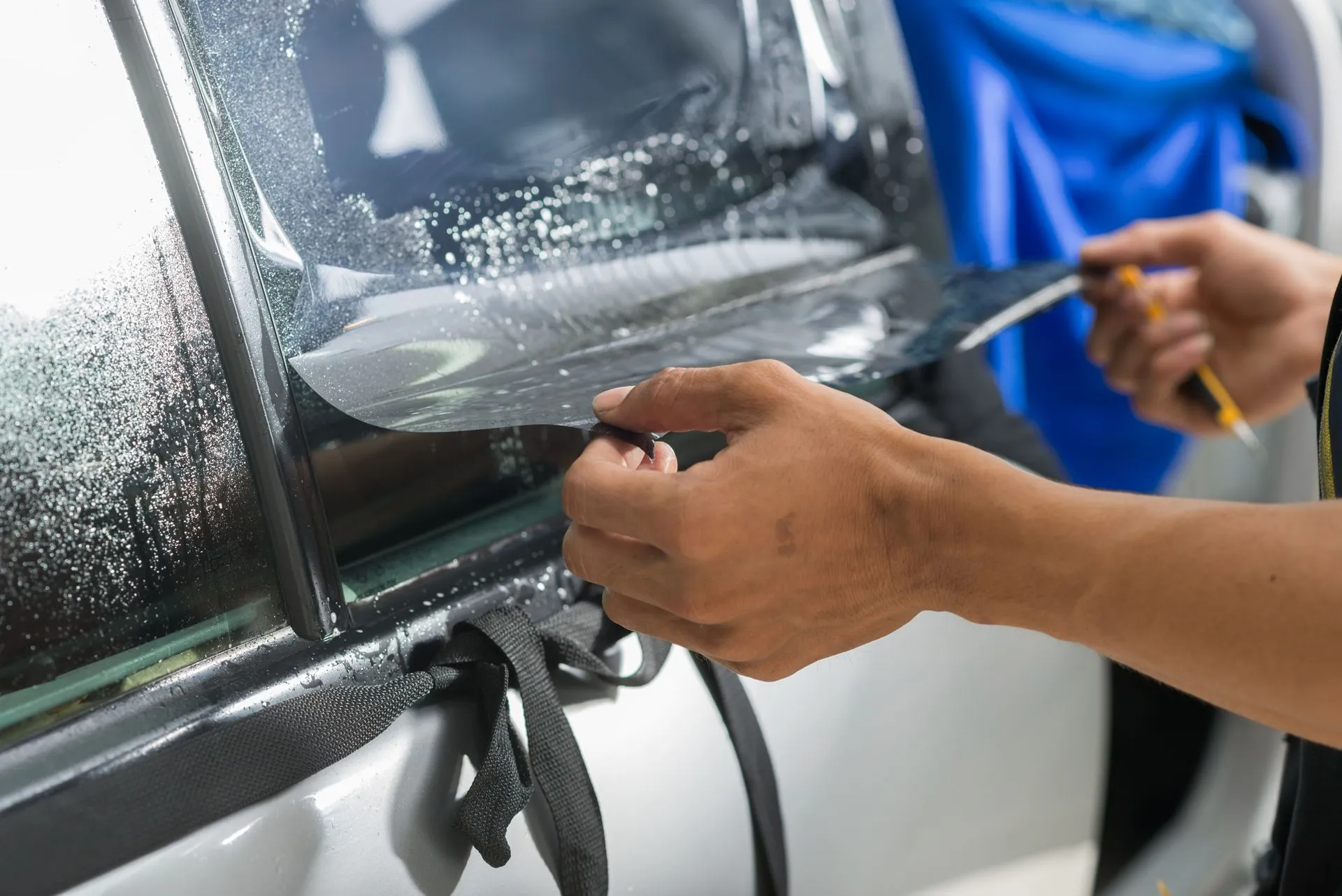
When you arrive for your window tint installation, expect the process to begin with a detailed consultation. This isn't just a quick chat. It's a time when professionals assess your vehicle's needs and preferences. They'll discuss different types of tint films, each varying in UV protection, heat rejection, and appearance. This step ensures the final choice aligns perfectly with your comfort goals and legal regulations in your area. Next comes an often underestimated yet crucial phase: preparation. Our technicians meticulously clean every inch of your windows, removing dust, oils, and tiny debris that could get trapped under the film. This cleaning isn't a casual wipe. It's intensive, sometimes using special solutions and lint-free cloths to ensure absolute cleanliness. Even a speck of dirt left behind can cause bubbles or dimples that degrade both the look and functionality of the tint.
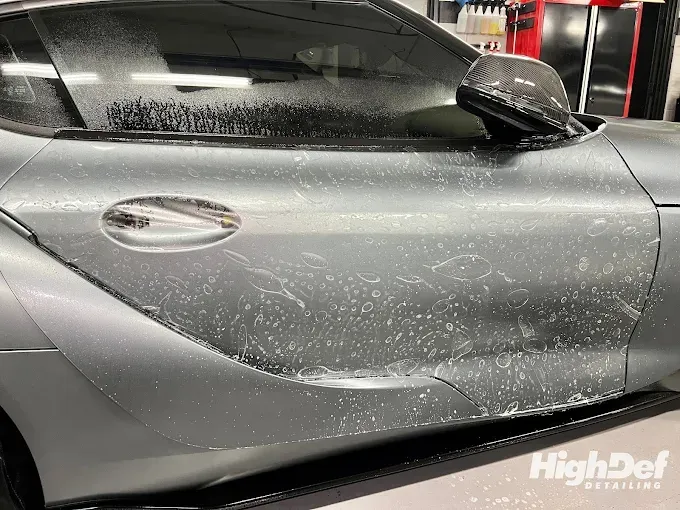
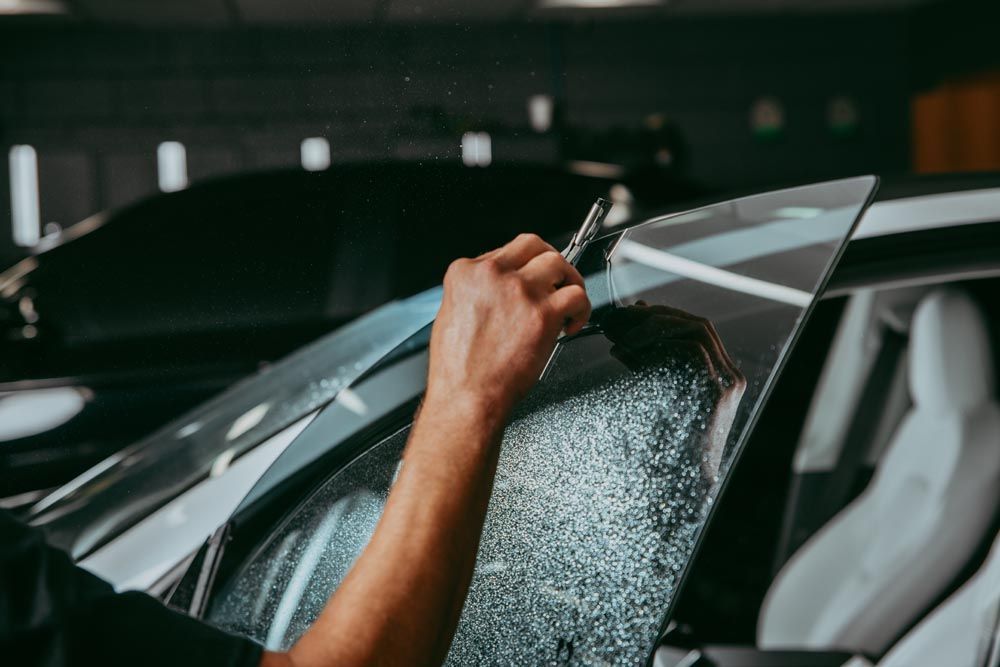
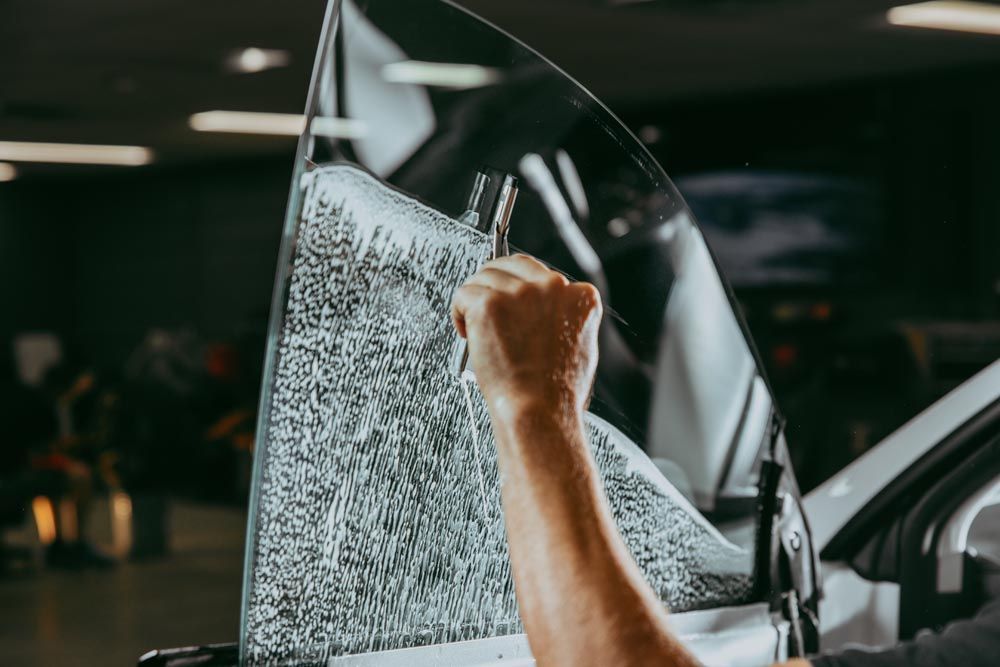
With the windows spotless, the application phase requires patient precision. Installers work carefully to place the tint film exactly where it belongs, smoothing out any air pockets or wrinkles that might interfere with visibility or durability. It's common for them to use soapy water spray during this step, which allows shifting the film slightly to achieve perfect alignment before it bonds firmly. Once applied, your tinted windows enter a curing period. This is when the adhesive sets fully onto the glass surface. Depending on the type of tint used and climate conditions like humidity and temperature, curing can take anywhere from a few days up to a week. During this time, it's best to avoid rolling down your windows or washing them to prevent damage that could compromise the bond or appearance.
Being aware of these phases not only prepares you practically but also empowers you to communicate effectively with your installer and care for your newly tinted windows correctly. This knowledge is invaluable in ensuring that your investment continues delivering maximum eye comfort, UV protection, and aesthetic appeal without surprises along the way. Understanding what happens during installation helps you appreciate the craftsmanship behind effective window tinting, a vital step toward improving vision comfort and reducing eye strain on daytime drives. Being well-informed makes your experience smoother and guarantees lasting benefits from this smart upgrade.
Expert Window Tint Installation in Southwest Michigan
Daytime driving should feel comfortable and focused, and High-Def Detailing delivers that confidence with
professional window tinting services throughout Southwest Michigan. Our high-quality window films are designed to reduce harsh glare and block harmful UV rays, helping minimize eye strain while creating a more balanced, visually comfortable driving environment. With precise installation and carefully selected tint options, our team ensures clear outward visibility, improved interior comfort, and added protection for both drivers and passengers. Whether you spend long hours commuting or navigating bright midday roads,
schedule your window tinting service today and experience a clearer, more comfortable drive every time you get behind the wheel!