If you live in Southwest Michigan, crossing the state line is just part of daily life. You might work, shop, or commute between Michigan and Indiana without a second thought. But here is something many drivers never consider: a window tint that is perfectly legal in one state can earn you a ticket in the other. Window tint laws are set state by state, and Michigan and Indiana do not handle them the same way. If you are considering auto window tinting in Southwest Michigan, understanding how the two states differ is the first step to a tint you can drive anywhere with confidence.
Why Tint Laws Change at the State Line
There is no national window tint standard. Each state writes its own rules, and they can vary widely in how dark your windows may be, how reflective the film can be, and even which windows you are allowed to tint at all. States base these decisions on their own priorities around driver visibility, safety, and law enforcement.
The common measure you will hear is visible light transmission, or VLT, the percentage of light a tinted window lets through. A lower VLT means a darker tint. But VLT is only part of the picture, and as Michigan shows, some states regulate tint in a completely different way. Because enforcement usually happens at a traffic stop, the first time you learn your tint is a problem in another state is often the worst possible moment to find out.
How Michigan and Indiana Approach Tint Differently
Here is where it gets important for border-crossers, because the two states think about tint in fundamentally different ways.
Indiana takes the percentage approach. It sets a VLT limit for your front side windows, meaning the film has to let through at least a certain amount of light. How dark you can legally go is defined by that number.
Michigan does something different. Rather than setting a darkness percentage for the front, Michigan's window tint law mainly controls where tint can go. On the windshield and the front side windows next to the driver and front passenger, Michigan generally allows only a narrow strip of film along the top, not full coverage, no matter how light the film is. The rules for the rear windows and for reflective films are different again.
The practical takeaway is that you cannot assume a tint that passes in one state passes in the other, because they are not even measuring the same thing. The rules can also differ in how they apply depending on where your vehicle is registered, which is exactly the kind of detail worth confirming against official state sources or with a knowledgeable installer before you commit. Legal limits can change over time, so it is always smart to verify the current rules.
Why Compliance Matters: Safety and Citations
These laws are not arbitrary. Tint rules exist largely to protect visibility, both yours and that of the officers and other drivers around you. Film that is too dark or too reflective can make it harder to see pedestrians, cyclists, and traffic at exactly the wrong moment, which is the same reason quality tint, applied correctly, can actually help by reducing glare without crossing legal limits.
On the enforcement side, non-compliance is more than a nuisance. Depending on where you are stopped, an illegal tint can mean a citation, a fine, or an order to remove the film, sometimes all three. For a driver who regularly crosses the line, that risk follows you on every trip. Getting it right the first time is far cheaper and far less stressful than dealing with a ticket and a forced removal later.
How a Professional Installer Saves You a Costly Redo
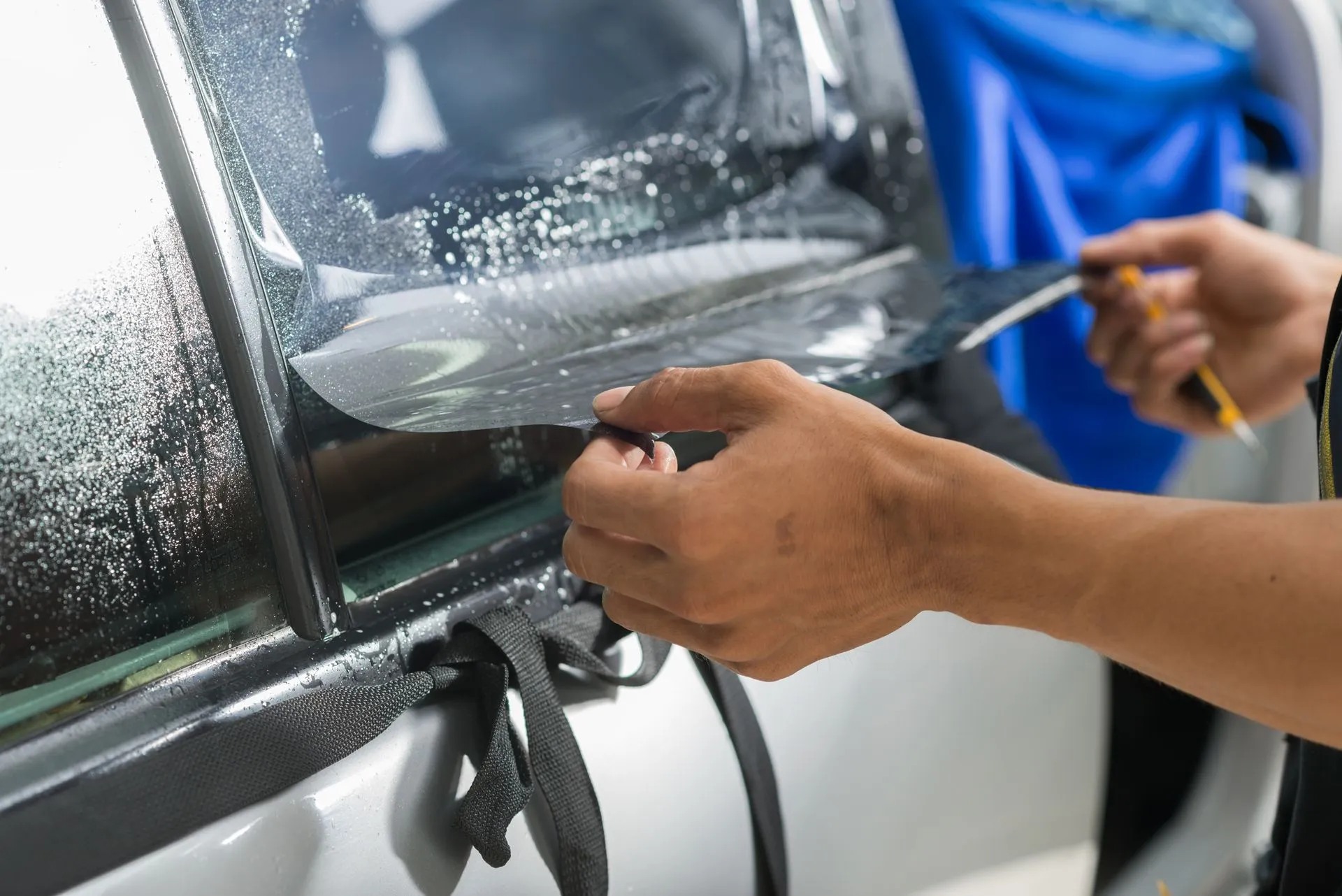
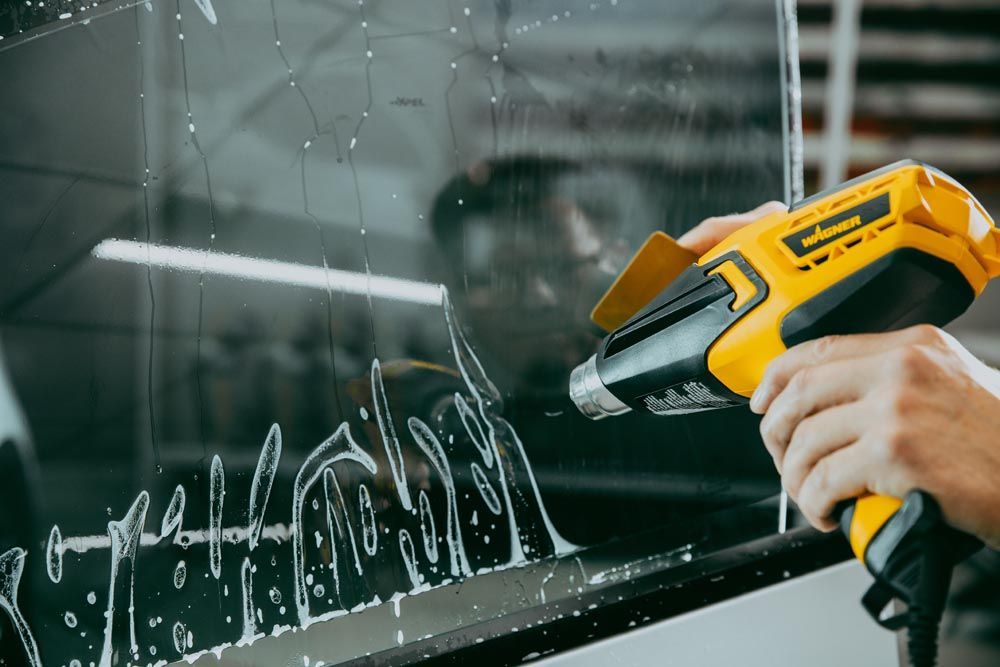
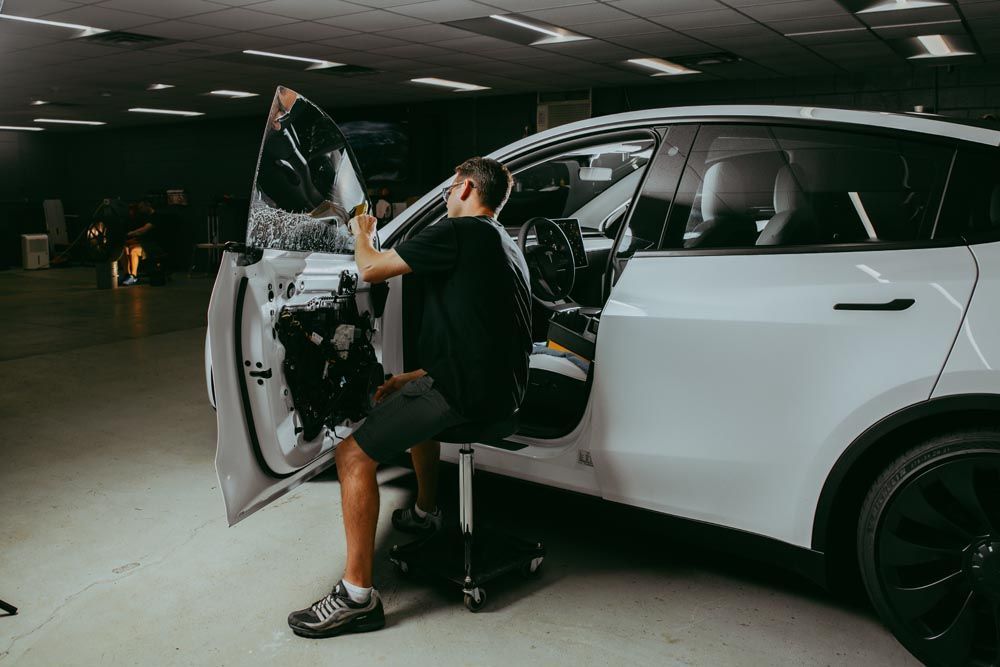
This is where professional installation pays for itself. A reputable installer who handles auto window tinting in Southwest Michigan does more than apply film cleanly; they stay current on the tint rules for the states you actually drive in and help you choose a tint that keeps you legal and comfortable wherever the road takes you.
That guidance matters, because the most expensive tint is the one you have to tear off and redo. A professional helps you:
- Choose a compliant shade and film suited to how and where you drive, not just the darkest option available.
- Avoid the strip-and-redo trap, where a bargain or DIY job has to be removed and replaced to pass muster.
- Get a clean, lasting result with no bubbles, hazing, or peeling edges that draw attention in the first place.
- Understand your options clearly before anything is applied, so there are no surprises.
The goal is simple: a tint you love that you never have to think twice about at a traffic stop.
Make a Confident, Informed Choice
Crossing state lines should not mean second-guessing your windows. When you understand how Michigan and Indiana differ, verify the current rules, and lean on a professional to get it right, you get all the comfort, privacy, and style of quality tint without the legal headaches.
Ready to tint with confidence? If you are looking into auto window tinting in Southwest Michigan,
request a free quote from
High-Def Detailing or call us at
(574) 333-9976. Based in Elkhart, we help drivers on both sides of the state line get a tint that looks great and stays legal.
Is a window tint that is legal in Indiana also legal in Michigan?
Not necessarily. The two states regulate tint differently. Indiana sets a light-transmission percentage for front windows, while Michigan mainly limits where tint can be applied. A tint that passes in one may not pass in the other, so it is important to know both.
What happens if I get pulled over with illegal tint in another state?
Depending on the state and the situation, you could receive a citation, a fine, or an order to remove the non-compliant film. Knowing the rules before you travel is the easiest way to avoid it.
How do I know which state's rules to follow?
The safest approach is to comply with the law where your vehicle is registered and stay aware of the rules in the states you regularly drive through. Official state sources and a knowledgeable installer can help you confirm the current limits.
Can a professional installer help me stay legal in both states?
Yes. A reputable installer keeps up with current tint laws and helps you choose a compliant film and shade, so you avoid the cost and hassle of a tint that has to be removed and redone.