How Auto Window Tinting Preserves Interior Upholstery: Protection From Heat and Damage
Sunlight streaming through your car windows might seem harmless, but over time it quietly wreaks havoc on your interior. Fading seats, cracked dashboards, and peeling plastics aren't just signs of wear; they're the result of invisible damage from UV rays and heat buildup. Luckily, there's a simple way to shield your car's inside from this slow destruction: auto window tinting. In this article, we'll explore how tinting acts like sunscreen for your ride, keeping upholstery looking fresh and lasting longer than you might expect.
Auto window tinting preserves interior upholstery by blocking harmful UV rays, which are a major cause of fading and material degradation over time. Additionally, it reduces heat buildup inside the vehicle by up to 50%, minimizing heat stress that can weaken leather, fabrics, and plastics, thereby extending the lifespan and maintaining the appearance of your car's interior components.
How Sunlight Affects Your Car Interior
Ultraviolet rays are the main culprits behind much of the damage your car's upholstery suffers. These rays don't just fade colors; they fundamentally alter the materials by breaking down chemical structures within leather, fabrics, plastics, and vinyl. A dashboard exposed nonstop to sun can develop cracks and a dull finish within a year that no amount of cleaning will reverse. This isn't just about aesthetics but about preserving the very strength and flexibility of materials designed to last. The science is straightforward: UV rays carry enough energy to disrupt molecular bonds in polymers and dyes. Over time, this phenomenon causes the vibrant colors of your seats or dashboards to bleach out and the material fibers to weaken. As these bonds break, what once was supple leather turns brittle, and fabric develops thinning spots or tears more easily. Without protection, your car interior ages prematurely, looking worn long before it should.
Heat exacerbates the issue further. When your vehicle sits under direct sunlight, the interior temperature can quickly soar by 30°F or more above outside temperatures. This isn't just uncomfortable; it accelerates material degradation. Leather and vinyl lose essential oils faster under higher temperatures, which makes them crack and stiffen. Plastics become more prone to warping or discoloration. Heat acts like an oven baking delicate materials day after day. Beyond aesthetics, this phenomenon compromises the structural integrity of important components such as seat seams or dashboard panels. Moreover, this excessive warmth can make driving less comfortable as cabin heat climbs even before you turn on the engine.
Why Auto Window Tinting Matters
Auto window tinting is much more than just a sleek upgrade to your vehicle's appearance. It functions as a powerful shield against the relentless assault of ultraviolet rays and heat that batter your car's interior every day. These tints are engineered from multi-layer polyester films embedded with metal or ceramic particles, designed explicitly to block UV radiation before it ever touches your upholstery or dashboard. This kind of protection is crucial because UV rays don't just fade fabric colors; they weaken materials, causing cracks and brittleness that can drastically reduce the lifespan of your interior. The science behind this protection is simple yet highly effective. When sunlight strikes your windows, these specialized films reflect a significant portion of UV rays away while absorbing others, like an invisible force field standing guard. As a result, less harmful radiation enters the cabin, which means less damage over time.
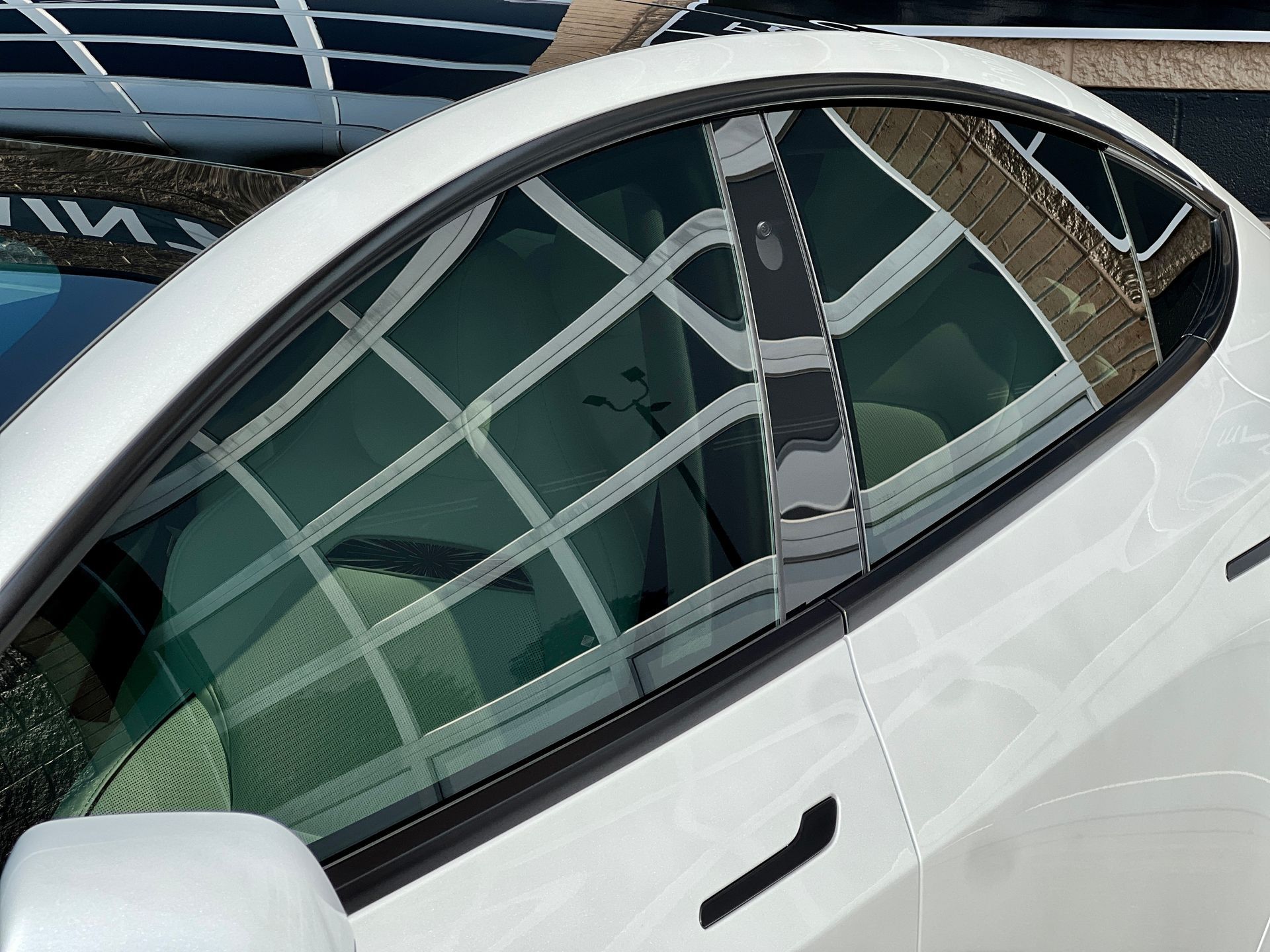
Advanced ceramic tints are among the most effective, capable of reducing cabin temperatures by 30 to 40 degrees Fahrenheit on sweltering summer days. This major heat reduction improves immediate comfort and prevents heat-induced degradation such as leather cracking and plastic distortion. The practical benefits extend well beyond aesthetics. By maintaining cooler cabin temperatures and significantly cutting UV exposure, window tinting actively preserves both the appearance and structural integrity of interior surfaces. Upholstery maintains its original vibrancy longer, dashboards resist fading, and plastics retain their form without warping. The difference between tinted and untinted interiors can be staggering: untinted vehicles' interiors can reach temperatures exceeding 140°F, accelerating wear and costly repairs or early replacements. In contrast, those protected by high-quality tints often enjoy two to three extra years of usable life from their interior components, representing substantial savings in replacement costs and maintenance hassle.
Modern window tint films offer several additional benefits that enhance your driving experience. Glare reduction minimizes harsh sunlight and headlight glare, reducing eye strain and improving safety. Privacy and security features obscure the view inside your car, making it less enticing for theft. Energy efficiency comes from cooler interiors, which means less reliance on air conditioning, yielding fuel savings and reducing emissions. Safety improves because tint film can hold shattered glass together during an accident, reducing injury risk from shards.
Understanding Different Types of Tint Films
When deciding on window tinting, not all films are created equal. The choice often boils down to balancing budget, performance, and technology compatibility.
- Dyed Films: They are the most affordable and frequently chosen by those who want a sleek, darkened look without breaking the bank. They achieve privacy through layers of dyed material that absorb light rather than reflect it. However, while they do provide modest glare reduction and basic UV protection, their dye tends to degrade over time, leading to fading and an unsightly purple hue that diminishes their effectiveness.
- Metalized Films: They offer improved heat rejection by reflecting solar energy using tiny metallic particles embedded in the film. This reflective property enhances comfort inside your vehicle and provides better protection for your upholstery against heat damage compared to dyed films. However, these metal particles disrupt electronic signals such as GPS navigation, cell phones, keyless entry systems, and tire pressure monitoring systems. In today's technology-heavy cars, this interference often makes metalized tints less practical despite their thermal benefits.
- Carbon Films: They strike a compelling middle ground. Infused with carbon particles rather than metal, they provide excellent UV protection, blocking up to 99% of damaging ultraviolet rays, and cut down heat buildup by roughly 40%. Unlike metalized films, carbon doesn't interfere with wireless signals, which means your phone calls stay clear and navigation remains accurate. Carbon tints also boast superior color stability; their matte-black appearance resists fading much longer than dyed films.
- Ceramic Films: These films set the benchmark for tint technology. Using advanced ceramic particles that don't conduct electricity or contain metals, these films block more than 90% of infrared radiation, which mainly causes the inside of the car to heat up. This translates into a dramatic reduction in cabin temperature, often more than 50% compared to untinted windows, which slows down the deterioration of leather seats, dashboards, and fabrics caused by excessive heat exposure. Crucially, ceramic tints have zero signal interference since they contain no metals at all. Their optical clarity remains unmatched, allowing for excellent daytime visibility while providing maximum privacy and protection.
Evaluating Quality and Professional Installation
When choosing a window tint, it's crucial to think beyond just how dark or stylish it looks and focus on how well it performs over time. Quality tints are designed to block harmful UV rays and reduce heat effectively, but even the best product won't deliver if it doesn't last or starts fading, bubbling, or peeling after only a year or two. One of the most reliable indicators of both quality and durability is the manufacturer's warranty. High-quality ceramic films typically come with warranties ranging from five years up to lifetime coverage. This contrasts sharply with lower-end dyed films, which may offer warranties lasting only a year or two, reflecting their tendency to fade or discolor prematurely. It's wise to scrutinize warranty details carefully: does it cover bubbling, discoloration, or peeling? A robust warranty that addresses these common issues often means better peace of mind with your investment.
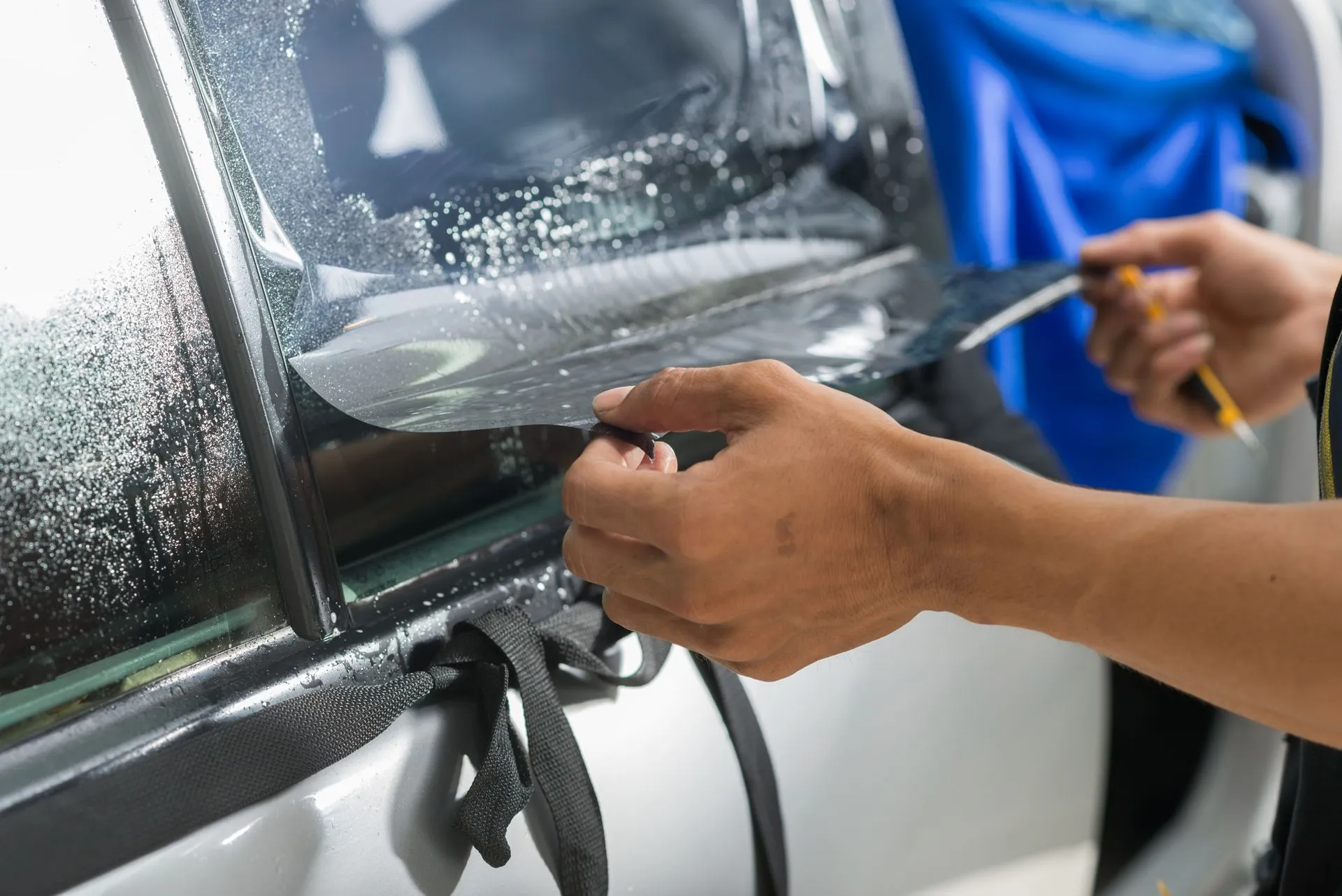
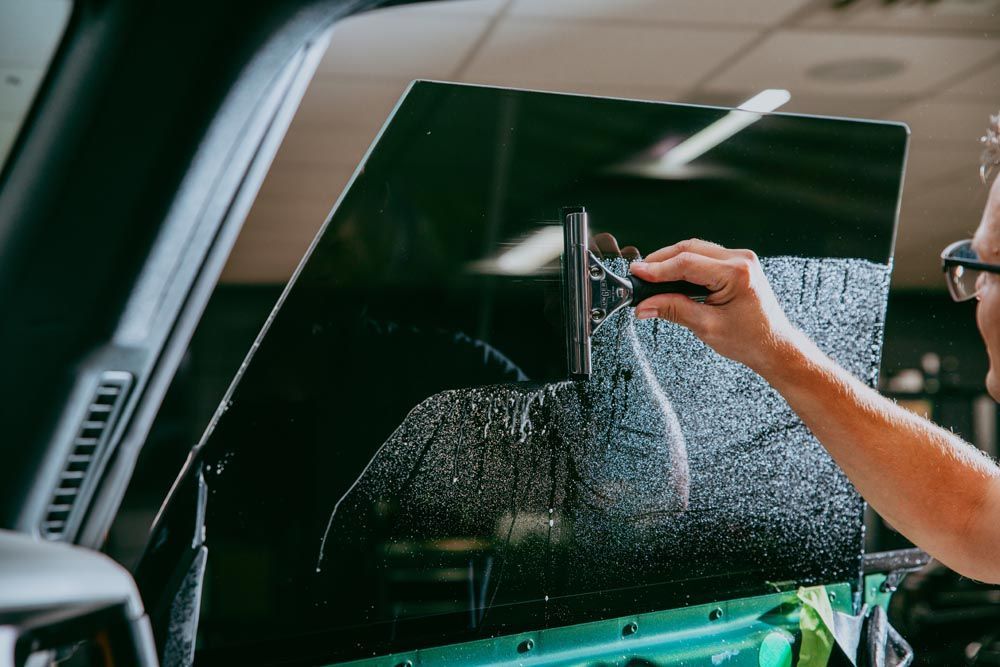
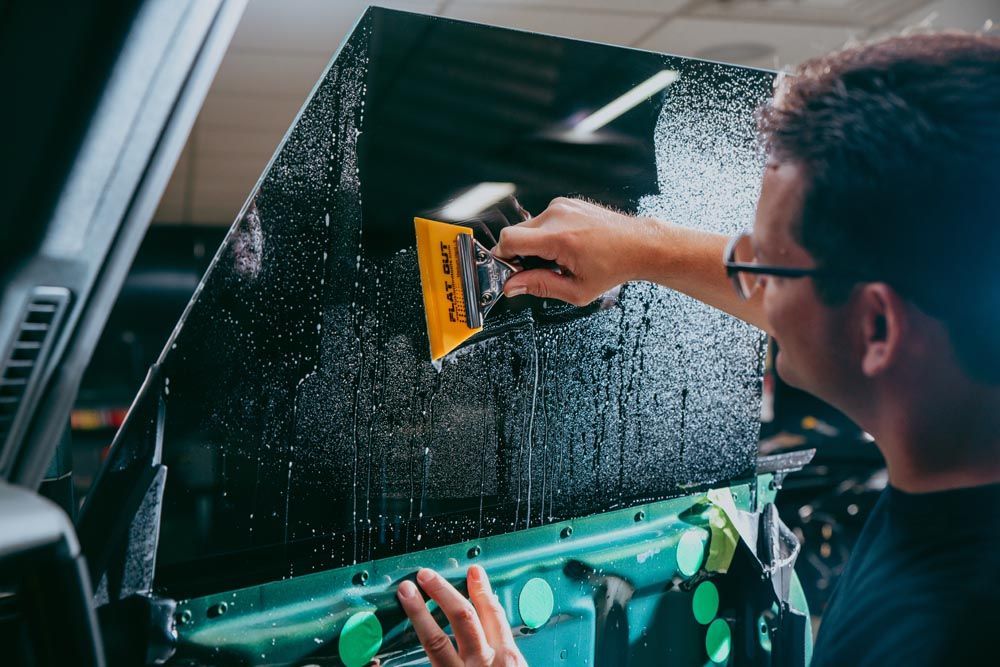
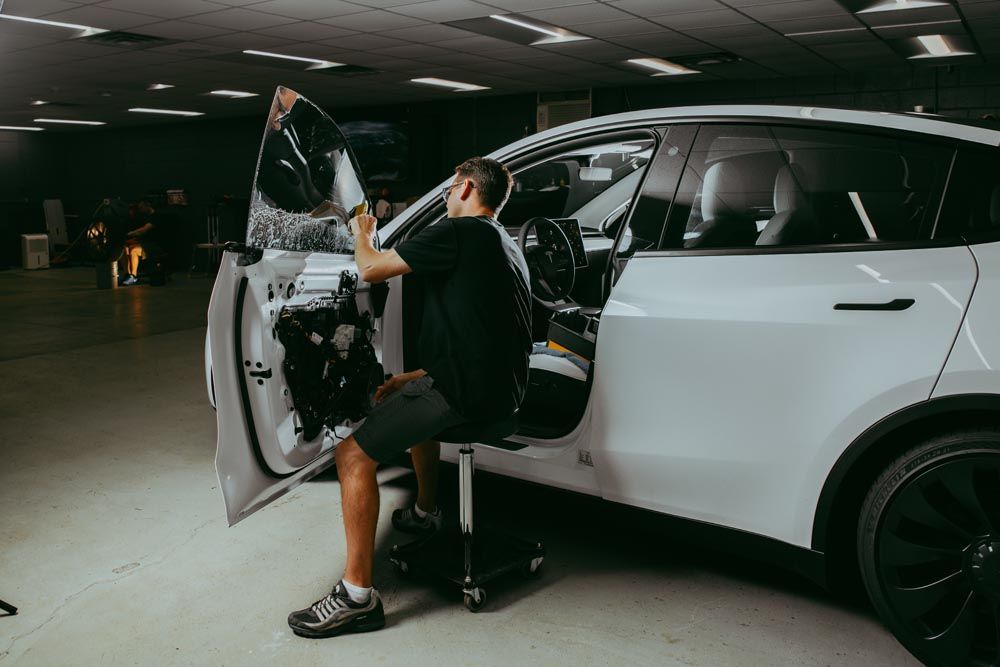
Even the highest quality film cannot perform at its best without proper application. While DIY window tint kits are tempting for their affordability and convenience, professional window tint installation makes a definitive difference in the finished result. Professionals have mastered techniques using specialized tools and surface preparation methods that ensure a perfectly smooth, bubble-free finish. Installing tint poorly can lead to frustrating imperfections such as creases, uneven edges, or trapped dust particles that reduce clarity and compromise heat rejection properties. Investing in a skilled installer might mean spending more upfront but saves money and hassle in the long run by extending your tint's useful life and maintaining optimal protection for your car's interior.
Maintenance Tips for Longevity
Maintaining your auto window tint doesn't require special skills, but it does call for a bit of mindfulness in how you clean and care for it. One crucial tip is to always steer clear of ammonia-based cleaners. Ammonia is a powerful chemical that can quickly eat away at the adhesive holding your tint film in place, causing peeling or bubbling. Instead, opt for gentle soap solutions mixed with water to keep the film intact without compromising its UV-blocking strength. When cleaning, the tools you use matter just as much as the cleaner itself. Microfiber cloths are by far the best choice because their ultra-soft fibers glide smoothly across the window surface without scratching or leaving lint behind.
Working in the shade instead of direct sunlight prevents the cleaner from drying too fast and leaving streaks or spots on your tint. Wiping from top to bottom also helps catch dirt and grime before it slides back onto already cleaned areas. Watch out for any air bubbles under the tint film. Even minor bubbles can grow over time, weakening adhesion and inviting dust or moisture underneath. If spotted early, these bubbles can often be pressed out gently or taken care of by your tint installer before they worsen. Avoid using sharp objects or abrasive sponges that scrape the film. Keep windows rolled up for three to five days after installation to allow proper curing. Inspect edges monthly for signs of lifting and seek repairs promptly.
Clean your tinted windows regularly, at least every two weeks, to prevent dirt buildup that can degrade the film. These maintenance habits not only preserve the look of your tint but also its protective abilities against harmful UV rays and heat. The longer your tint film adheres cleanly and fully, the more effective it remains at blocking ultraviolet light and protecting your car's interior upholstery from fading and cracking due to sun damage. By investing a little attention in maintenance now, you secure lasting protection and style for years to come.
Southwest Michigan Interior Protection Starts Here
Protecting your vehicle’s interior starts with the right window tint, and High-Def Detailing delivers
professional auto window tinting services throughout Southwest Michigan designed to block heat and harmful UV exposure. Their expertly installed films help preserve upholstery color, dashboard condition, and overall cabin comfort while maintaining clear visibility and a clean finish. Whether you drive daily or seasonally, their tint solutions are tailored for long-term performance and reliable protection.
Schedule a consultation with High-Def Detailing to keep your interior looking well-kept for years to come!